

A wind turbine incident refers to any failure, malfunction, or accident affecting wind energy infrastructure—ranging from minor operational faults to catastrophic structural collapses. Among the most serious events, nacelle fires and blade failures consistently dominate incident databases worldwide. Data from the Caithness Windfarm Information Forum (CWIF) documents 549 blade failure cases through December 2024, while fires account for approximately 14-15% of all reported wind turbine accidents.
The first recorded fatal wind turbine fire incident occurred in the Netherlands in 2013, claiming two lives during routine maintenance. More recent events in the United States, including a 2024 blade failure in Plymouth, MA, have renewed questions about wind energy safety and reliability among communities, regulators, and industry stakeholders alike.
This article examines specific real-world cases of wind turbine incidents, analyzes their technical causes, reviews emergency response challenges, and outlines the lessons learned that continue to shape safer industry practices.
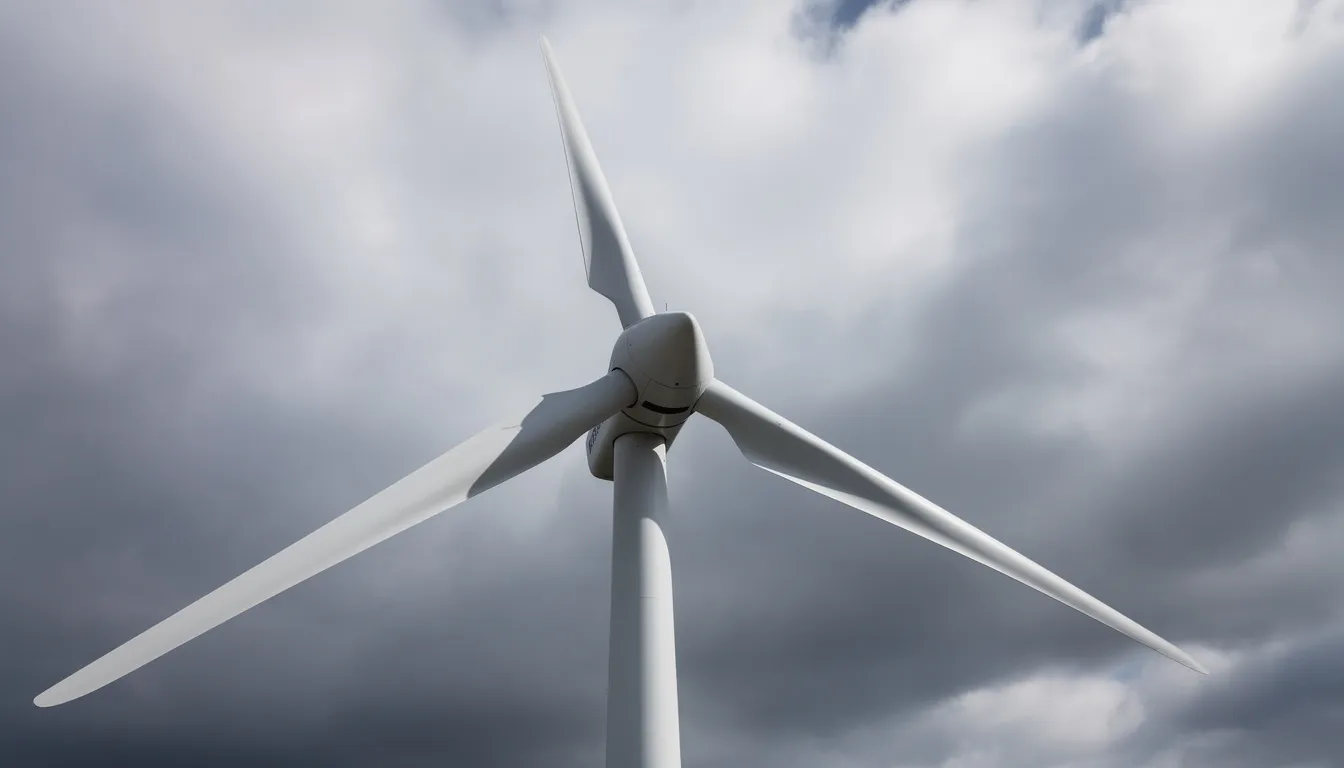
Piet de Wit Wind Farm Fatal Fire, Ooltgensplaat (2013)
On 29 October 2013, a devastating fire broke out at the Piet de Wit Wind Farm near Ooltgensplaat in South Holland, Netherlands. The incident would become the first documented case of human deaths directly caused by a wind turbine fire, permanently altering how the wind industry approaches maintenance safety and emergency procedures.
Four mechanics were conducting routine servicing inside the nacelle of a Vestas V66 turbine when fire broke around 12:00-13:00 local time. The blaze quickly engulfed the nacelle housing, located approximately 70-80 meters above ground level. Two of the mechanics servicing the equipment managed to escape safely, descending the internal ladder before flames blocked the exit route.
The other two mechanics, both in their 20s, became trapped at height with no viable escape path. Witnesses reported seeing dramatic images of the two engineers sheltering near the turbine hub as smoke billowed from the nacelle. Despite their attempts to find safety, both ultimately died from the incident.
One victim was later recovered from the ground at the base of the tower, suggesting an attempt to escape had ended tragically. The other victim was recovered from the burned nacelle once fire crews successfully extinguished the remaining flames, several hours after the initial alarm.
The local fire department, supported by a specialized team trained in high-angle rescue operations, battled the blaze using a large crane to reach the elevated nacelle. However, the extreme height and intense heat made direct suppression impossible during the critical early minutes. Firefighters had significant trouble extinguishing the fire due to:
-
Extreme height preventing ladder truck access
-
Intense heat from burning hydraulic oils and composite materials
-
Limited water delivery capability at 70+ meters
-
Structural concerns about nacelle collapse
Investigators concluded that a short circuit in the nacelle’s electrical systems was the probable ignition source. Once ignited, hydraulic oils, lubricants, and polymer components fueled rapid fire spread throughout the enclosed space.
This incident is widely cited as a turning point for wind turbine safety, influencing maintenance protocols and emergency-response procedures across Europe. The tragedy underscored the critical need for improved fire detection systems, escape routes, and rescue planning at remote, elevated worksites.
Plymouth, Massachusetts Cranberry Bog Blade Failure (2024)
On 7 November 2024, a significant blade failure occurred at the Future Generation Wind project, located off Head of the Bay Road in Plymouth, Massachusetts. The incident drew immediate attention from regulators, local officials, and communities concerned about wind turbine safety in residential and agricultural areas.
A wind turbine blade measuring approximately 75-100 feet (23-30 meters) in length detached from a land-based turbine and fell into a working cranberry bog. The debris landed several hundred feet from the tower base, scattering composite materials across the agricultural site.
The Plymouth Fire Department, led by Chief Neil Foley, responded to the scene after a nearby resident noticed the damaged blade was missing from the turbine and called 911. Fire officials confirmed that the turbine automatically shut down immediately when the blade separated, as designed by the control system’s fault-detection logic.
Key facts from the Plymouth incident:
|
Detail |
Information |
|---|---|
|
Date |
November 7, 2024 |
|
Location |
Head of the Bay Road, Plymouth, MA |
|
Blade size |
75-100 feet (23-30 m) |
|
Landing area |
Cranberry bog, several hundred feet from tower |
|
Response lead |
Chief Neil Foley, Plymouth Fire Department |
|
Injuries |
None reported |
|
Fire |
None |
|
Turbine status |
Automatic shutdown triggered |
Firefighters secured the scene and confirmed no injuries, fire, or immediate danger to the public. The broken wind turbine blade represented a significant safety concern, but the automatic shutdown and remote location prevented a worse outcome.
The turbine is part of an 8-megawatt onshore project owned by local cranberry grower Keith Mann under the Future Generation Wind name. The site owner and operating company, at that time associated with RWE Renewables Americas, immediately secured the area, halted operations at the affected turbine, and initiated a formal technical investigation.
The Massachusetts Department of Environmental Protection and town officials were notified to oversee cleanup of composite debris from the bog. Inspectors confirmed there was no contamination of water or crops, though the environmental protection review remained a top priority for state officials.
This failure drew added scrutiny because Siemens Gamesa, the blade manufacturer for this turbine, also supplies equipment for larger offshore projects in the region—including the troubled Vineyard Wind 1 development.
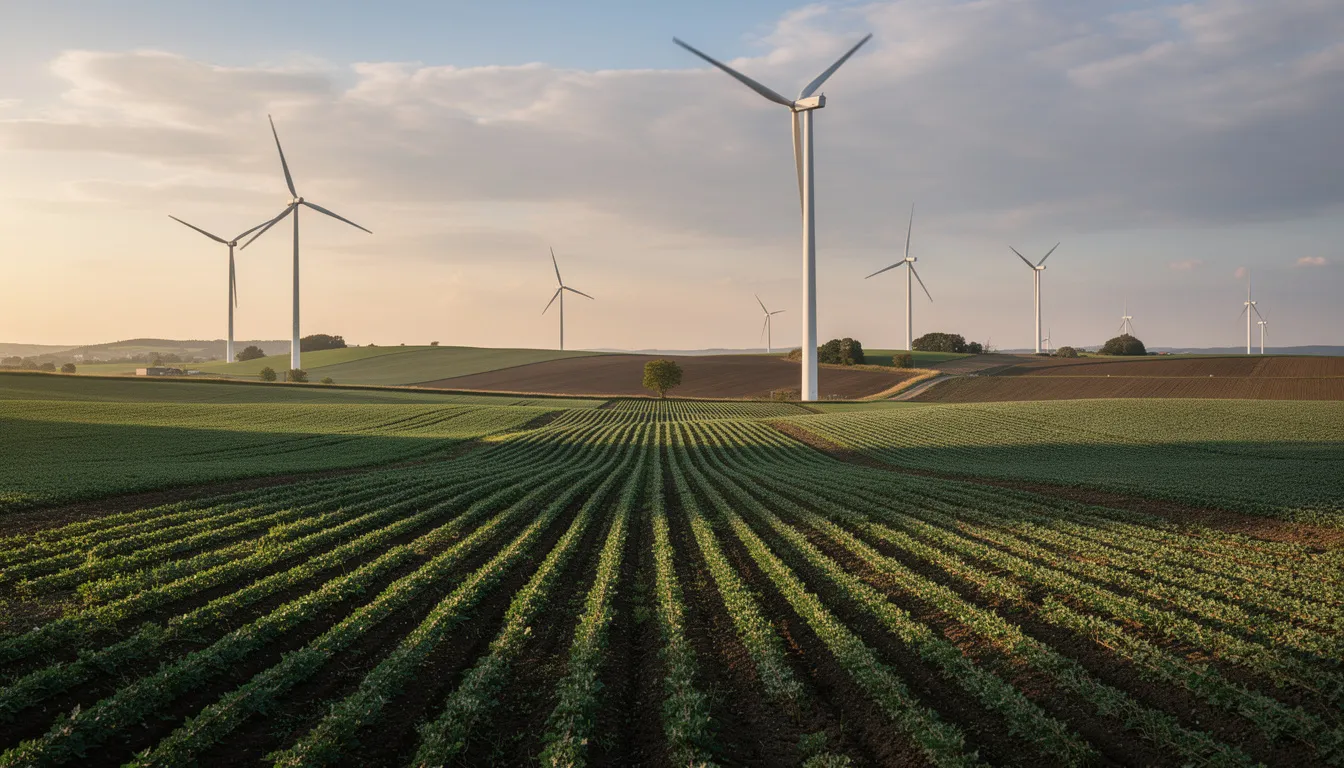
Other High-Profile Wind Turbine Incidents in the United States
Multiple high-visibility wind turbine fires and structural failures in the 2010s and early 2020s have shaped public perception of wind energy safety. While statistically rare relative to the total fleet of operating turbines, these incidents illustrate recurring patterns that concern communities and fire departments alike.
San Gorgonio Pass, California (June 2012)
A turbine fire in Riverside County’s San Gorgonio Pass ignited the View Fire, which burned approximately 367 acres of dry brush and prompted evacuations in the surrounding area. Local fire crews faced difficulty accessing the remote site, and the blaze spread rapidly in windy conditions. No structures were ultimately lost, but the incident demonstrated how a single wind turbine fire incident can escalate into a significant wildland fire.
Harvest Wind II, Michigan (April 2019)
On April 1, 2019, a nacelle fire broke out at the Harvest Wind II project in Oliver Township, Michigan. Local firefighters lacked equipment capable of reaching the nacelle height, forcing them to allow the turbine to burn out while monitoring for ground-level spread. As a precaution, operators shut down 32 surrounding turbines to prevent potential cascading failures.
Juniper Canyon, Washington (July 2019)
On July 19, 2019, burning debris from a turbine fire in Klickitat County started the Juniper Fire. The blaze scorched more than 250 acres of rangeland and threatened dozens of structures before nearly 200 firefighters contained it. The incident required significant mutual-aid resources and highlighted the challenges of fire suppression in remote wind farm locations.
Buffalo Gap, Texas (August 2019)
On August 26, 2019, a turbine fire near Abilene ignited the Rhodes Ranch 3 Fire. The blaze burned approximately 250 acres in rugged terrain under extreme heat conditions, challenging fire crews working in temperatures exceeding 100°F.
Vineyard Wind 1, Massachusetts (July 2024)
In July 2024, a GE Vernova blade detached from an offshore turbine at the Vineyard Wind 1 project, scattering fiberglass fragments across Nantucket-area beaches. The incident led to extensive shoreline cleanup operations and intensified regulatory attention on offshore wind safety. Local residents and advocacy groups expressed concern about debris reaching swimming areas and the potential for additional failures.
These incidents, while rare relative to the total fleet, illustrate common patterns:
-
Remote locations limiting firefighter access
-
Nacelle heights exceeding ladder truck capabilities
-
High costs when secondary wildfires occur
-
Debris dispersal over significant distances
-
Public concern amplified by dramatic imagery
Technical Causes of Wind Turbine Incidents
Most documented wind turbine incidents fall into two primary categories: blade failures and nacelle fires. These events typically stem from mechanical, electrical, or design issues—often exacerbated by harsh operating environments that push equipment beyond intended parameters.
Nacelle Fire Origins
Nacelle fires typically arise from several interrelated fault conditions:
-
Electrical faults including short circuits, arc flashes in converters, and switchgear failures
-
Overheating transformers operating beyond rated capacity
-
Hydraulic system leaks spraying flammable fluids onto hot surfaces
-
Brake system failures generating friction heat
Nacelles contain large quantities of lubricating oils, hydraulic fluids, resins, polymers, and electrical insulation—all in close proximity to high-voltage equipment. Once ignited, these materials can sustain intense, fast-spreading fires that quickly become uncontrollable at height.
According to industry data, electrical system faults dominate wind turbine failures at 55% of all incidents, with yaw system malfunctions causing 12% of shutdowns and control system issues accounting for 8-25% of failures.
Blade Failure Mechanisms
Blade failures can be triggered by multiple factors:
|
Cause |
Description |
|---|---|
|
Material fatigue |
Cyclic loading degrades composite laminates over time |
|
Manufacturing defects |
Quality control issues in layup or bonding |
|
Leading edge erosion |
Environmental wear from rain, sand, and debris |
|
Lightning strikes |
Electrical damage despite protection systems |
|
Undetected cracks |
Propagation of minor defects under stress |
Research indicates that fatigue drives 60% of blade cracking incidents, with composite materials degrading approximately 0.5% annually during service. High-wind conditions elevate blade and tower failure risk by an estimated 25%.
Maintenance and Environmental Factors
Missed or insufficient maintenance allows minor defects in bearings, gearboxes, or pitch systems to escalate into catastrophic failures. Gearbox issues alone drive 20% of turbine downtime and cost the industry over $100 million annually.
Extreme weather amplifies risks significantly:
-
Gusts above design limits overstress structural components
-
Turbulence in complex terrain creates uneven loading
-
Icing conditions add weight and create throw hazards
-
Storm damage can exceed design specifications
Modern turbines incorporate fault-detection and automatic shutdown logic, but sensor failures, software bugs, or human overrides can reduce the effectiveness of these safeguards.
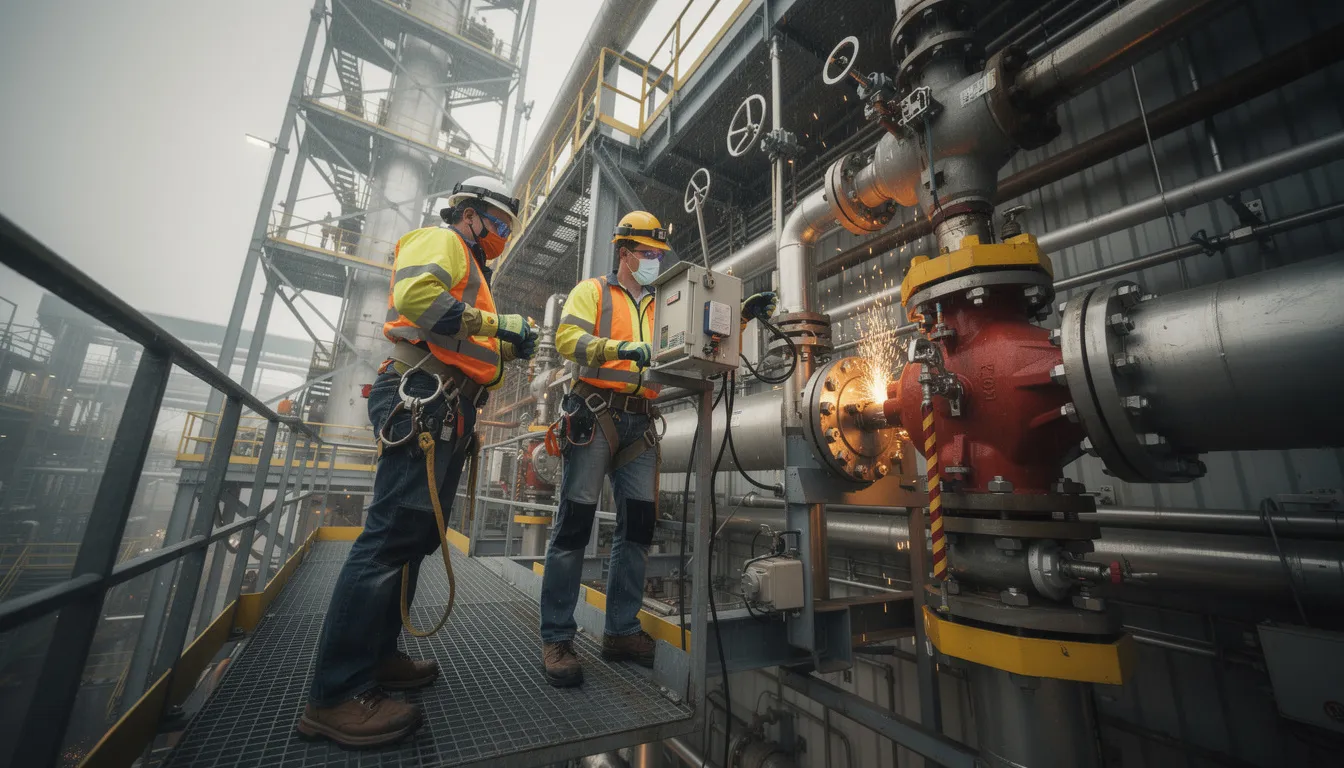
Emergency Response and Regulatory Oversight
First responders face significant challenges when addressing wind turbine incidents. Turbine height (often 80-150 meters), remote siting, electrical hazards, and the potential for falling debris during fires or structural failures all complicate rescue and suppression operations.
First Responder Challenges
Local fire departments, such as those responding in Riverside County, Plymouth, and rural Texas and Washington counties, typically focus on:
-
Containing ground fires and preventing spread
-
Securing perimeters around damaged turbines
-
Protecting nearby structures and vegetation
-
Coordinating with site operators for technical guidance
Direct nacelle firefighting is often impossible due to height limitations. Most ladder trucks reach only 30-40 meters, far short of modern turbine nacelles located at 80-150 meters.
Mutual Aid and Specialized Resources
Mutual-aid agreements and specialized high-angle or industrial rescue teams are sometimes required for wind turbine emergencies. The Piet de Wit response in the Netherlands employed a large crane and specially trained technicians—resources not typically available in rural American communities.
Post-Incident Protocols
After a blade fall or fire, typical response steps include:
-
Isolating electrical supply to prevent further hazards
-
Shutting down nearby turbines as a precaution
-
Establishing exclusion zones around debris areas
-
Coordinating with site operators for technical support
-
Notifying regulatory agencies as required
State environmental agencies (such as the Massachusetts Department of Environmental Protection), federal bodies, and local inspectors investigate debris dispersal, contamination risks, and compliance with environmental permits. In the Plymouth incident, officials confirmed no contamination of the cranberry farm before allowing cleanup to proceed.
Regulatory Evolution
Aviation and maritime authorities may become involved in offshore or tall-structure incidents to address navigational safety and airspace issues. Regulators increasingly require:
-
Mandatory incident reporting within specified timeframes
-
Exhaustive root cause analysis documentation
-
Corrective action plans with implementation timelines
-
Community notification procedures
These requirements are particularly stringent when incidents occur near residential areas or sensitive ecosystems.
Public Reaction, Opposition, and Industry Response
High-profile wind turbine incidents—especially dramatic fires and large blade failures—receive outsized media attention and are frequently cited by both critics and supporters of wind energy. The visual impact of flames at 80 meters or a broken blade scattered across a farm creates lasting impressions that shape public perception.
Community Concerns
Local residents near Plymouth, Vineyard Wind 1, and other affected sites have expressed concern about:
-
Falling debris and public safety in adjacent areas
-
Noise and vibration from damaged equipment
-
Perceived lack of transparency from operators
-
Adequacy of setback distances from homes and farms
-
Long-term property value impacts
In Plymouth, residents questioned how a blade could detach without warning and whether existing monitoring systems were adequate to protect the surrounding community.
Opposition Arguments
Groups opposing rapid wind expansion, including organizations like ACK 4 Whales and other coastal advocacy groups, argue that blade failures and fires reveal broader problems with:
-
Project siting too close to communities
-
Insufficient monitoring during operation
-
End-of-life management of composite materials
-
Underreporting of incidents by operators
Some critics point to industry jargon such as “blade liberation” as evidence of attempts to minimize or normalize serious failures that endanger nearby populations.
Industry Position
Industry representatives and project operators (including RWE Renewables Americas, GE Vernova, and Siemens Gamesa) typically emphasize:
-
Statistical rarity of incidents relative to total operating hours
-
Commitment to thorough root cause investigation
-
Continuous improvement in design and manufacturing
-
Cooperation with regulators and first responders
Common industry responses following incidents include:
-
Enhanced inspection regimes with shorter intervals
-
Retrofits addressing specific blade design vulnerabilities
-
Improved lightning protection systems (reducing blade strikes by 70%)
-
Installation of internal fire detection and suppression systems
-
Updates to emergency-response training for site personnel
The tension between the urgent need for low-carbon energy sources and the obligation to maintain strict safety and environmental standards for wind projects remains an ongoing challenge for the industry, regulators, and communities alike.
Prevention, Lessons Learned, and Future Directions
Each major wind turbine incident—from Piet de Wit to Plymouth, San Gorgonio to Vineyard Wind 1—has contributed specific technical and procedural lessons that continue to improve industry safety practices.
Prevention Strategies
Modern wind farms implement multiple prevention measures:
|
Strategy |
Purpose |
|---|---|
|
Non-destructive testing (NDT) of blades |
Detect internal defects before failure |
|
Condition-monitoring systems |
Track gearbox and generator health |
|
Thermal and smoke sensors |
Early fire detection in nacelles |
|
Robust lightning protection |
Reduce strike-induced damage by 70% |
|
Regular inspection schedules |
Identify wear and damage early |
Automatic fire-suppression systems within nacelles can detect and extinguish incipient fires before they grow, proving especially valuable in remote or high-fire-risk landscapes where fire department response times may exceed 30 minutes.
Advanced Monitoring Technologies
Digital monitoring, drone inspections, and AI-based analytics are increasingly deployed for early detection of:
-
Blade surface damage and leading-edge erosion
-
Oil leaks indicating seal or bearing failures
-
Abnormal vibration patterns preceding component failure
-
Thermal anomalies suggesting electrical faults
These technologies enable predictive maintenance approaches that address problems before they escalate into dangerous situations or costly downtime.
Operational Improvements
Project developers are updating operational practices including:
-
Revised setback distances from residential areas and sensitive land uses
-
Exclusion-zone policies defining areas where debris could fall
-
Vegetation-management plans reducing wildfire fuel loads around turbines
-
Emergency response coordination with local fire departments
These measures reduce the likelihood that an incident will evolve into a large wildfire or endanger nearby communities.
Regulatory Evolution
Regulators and standards bodies are revising design and certification requirements for blades and towers to better account for:
-
Lifecycle fatigue under real-world operating conditions
-
Extreme weather events exceeding historical design assumptions
-
Maintenance realities including access limitations and inspection intervals
-
End-of-life disposal and recycling of composite materials
The Plymouth incident and Vineyard Wind 1 failure have particularly intensified regulatory focus on blade manufacturing quality and third-party inspection requirements.
Looking Forward
While wind turbine incidents cannot be fully eliminated, transparent reporting, rigorous engineering, and coordinated emergency planning can significantly reduce their frequency and impact. The lessons from Plymouth, Piet de Wit, and other incidents continue to shape safer industry practices—benefiting operators, communities, and the broader transition to clean energy.
For wind farm operators, the message is clear: proactive maintenance, robust monitoring, and genuine community engagement are not optional extras but essential components of responsible wind energy development. For communities, informed engagement with local wind projects—including understanding emergency response plans and reporting procedures—helps ensure that safety remains a shared priority.


