Wind Turbine Farms and Serious Accidents in Texas
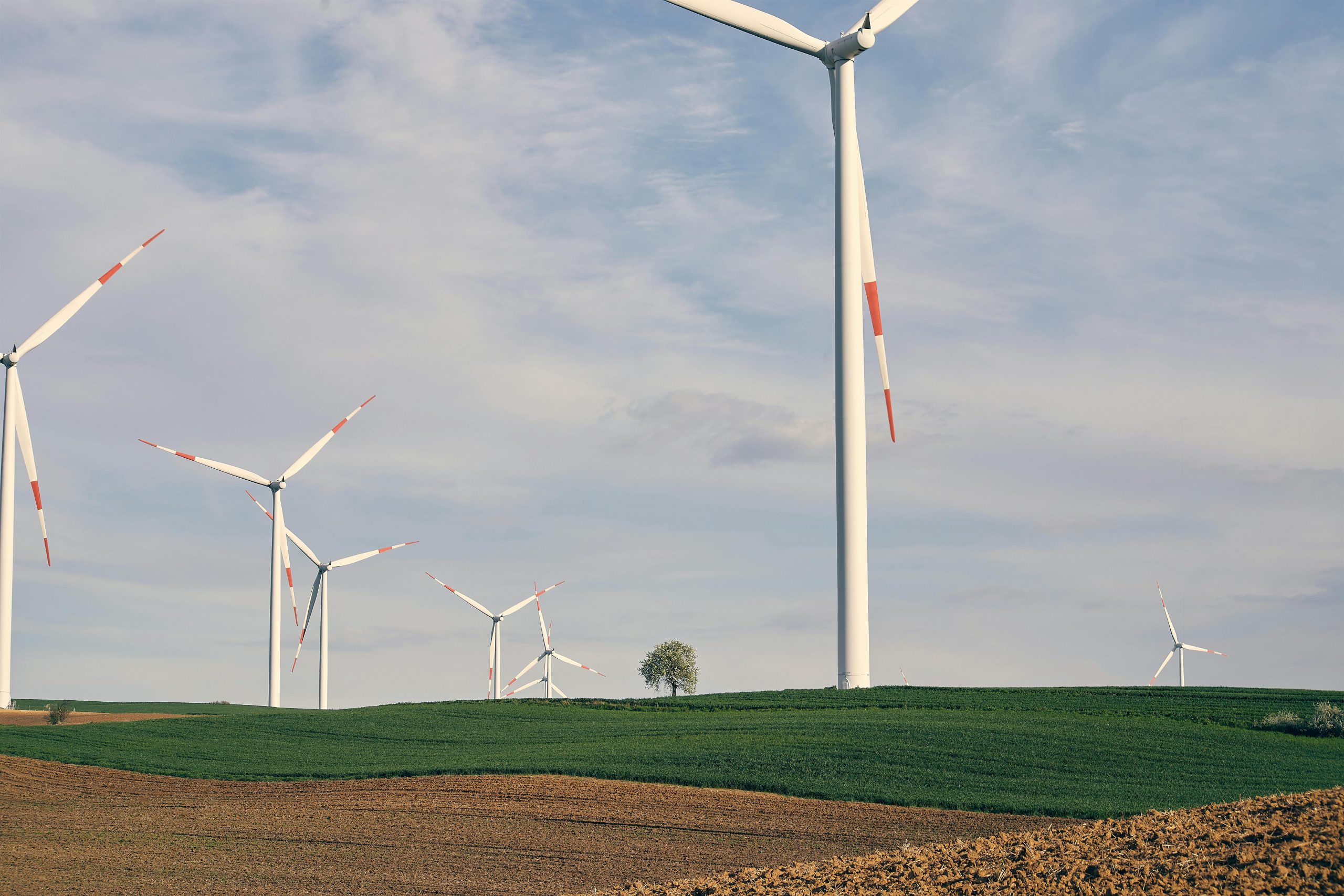
A wind turbine farm is a coordinated group of utility-scale turbines—often dozens or hundreds—working together to generate electricity from moving air. These installations have transformed Texas into the nation’s undisputed leader in wind power, but they’ve also created an entirely new category of industrial workplace hazards.
Texas currently operates over 40 gigawatts of installed wind capacity, with thousands of onshore wind turbines spinning across the Panhandle, West Texas, and the Gulf Coast region. The state produces more wind energy than any other in the country, and that scale means thousands of workers climb towers, maintain nacelles, and operate heavy equipment at wind projects every single day.
The industrial hazards at these sites are serious:
-
Falls from height on towers exceeding 80–100 meters
-
Electrical burns and arc flash in nacelles and switchgear
-
Crane and lifting failures during construction and maintenance
-
Blade failures and component drops
-
Vehicle collisions on remote access roads
At The Morgan Legal Group, we’ve built our practice around understanding exactly how these accidents happen. Founding attorney Clinton Morgan brings over 15 years of hands-on experience investigating serious incidents in industrial, oil, gas, and wind-energy environments. That real-world background gives us a strategic advantage when helping injured workers, technicians, and bystanders pursue the compensation they deserve through InjuredCases.com.
The rest of this article explains how wind farms work, where and how they’re built, and the safety and legal issues that arise when something goes wrong.
What Is a Wind Turbine Farm?
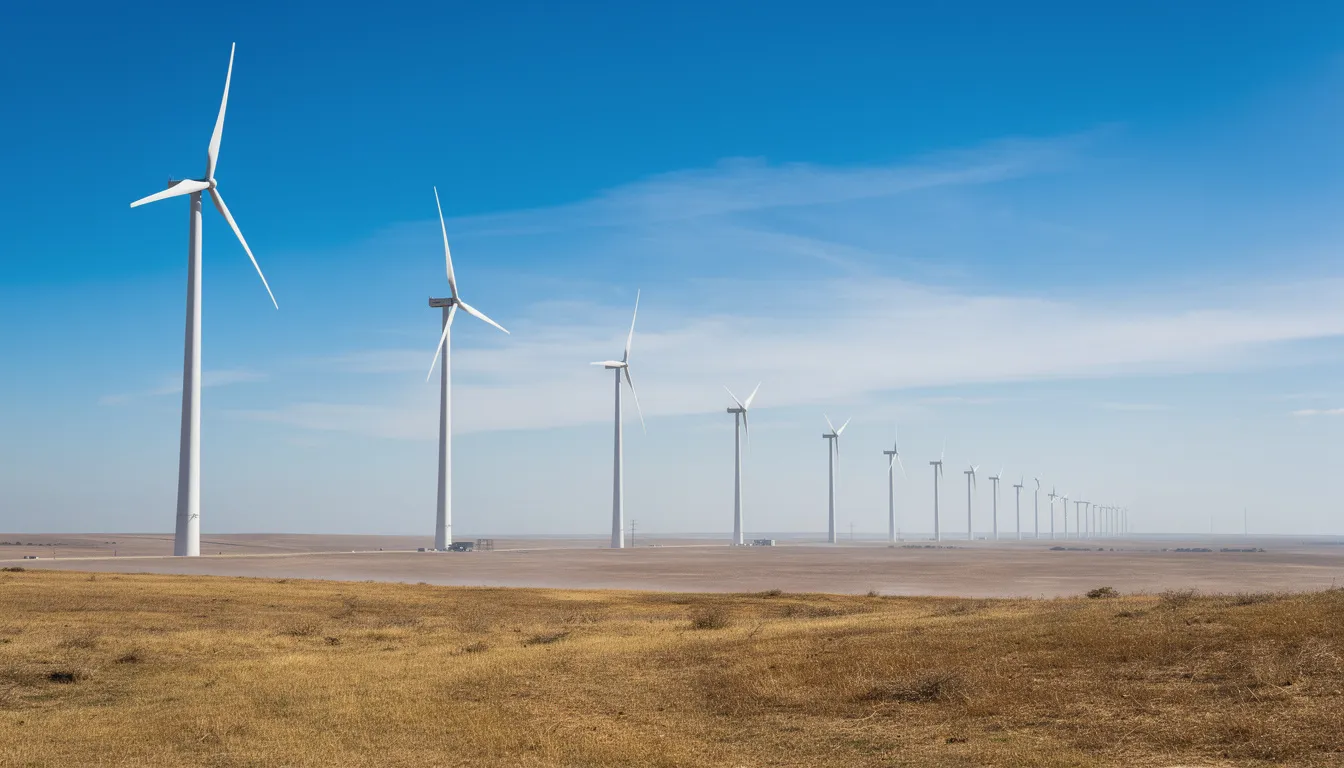
A wind turbine farm—also called a wind farm, wind park, or wind power plant—is a coordinated group of turbines installed in a single area to produce grid-connected electricity. Generally speaking, these facilities function as power plants without burning any fuel, converting the kinetic energy of blowing wind directly into electrical energy.
Most Texas wind farms are onshore facilities stretching across ranch land and farmland. This contrasts with offshore wind farms being developed along the U.S. Atlantic coast and now being planned for the Gulf of Mexico.
To understand the scale involved:
|
Metric |
Typical Value |
|---|---|
|
Large onshore farm capacity |
200–500+ MW |
|
Individual modern wind turbines |
3–5 MW each |
|
Tower heights |
80–120 meters |
|
Rotor diameter |
Roughly the length of a football field |
|
Largest wind farm (global) |
Gansu Wind Farm, China (~20,000 MW target) |
Modern wind turbines are massive pieces of industrial equipment. A single wind turbine can generate several megawatts of electricity—enough to supply power to thousands of homes when the wind blows consistently.
While wind farms produce clean electricity without on-site fuel combustion or direct greenhouse gas emissions, they still involve heavy industrial equipment, high-voltage systems, and complex logistics. These factors create serious safety risks for everyone working on or near the project.
How Wind Turbine Farms Work as Power Plants
Understanding how wind turbines work helps clarify where accidents occur and why certain safety protocols exist.
The energy conversion process follows a simple principle:
-
Wind moves the blades. Moving air pushes against three blades attached to a rotor hub. The blades are aerodynamically shaped—similar to airplane wings—to generate lift and rotation when air flows past them.
-
The rotor spins the main shaft. The hub transfers rotational mechanical energy to a main shaft inside the nacelle (the housing at the top of the tower).
-
A gearbox increases speed. Most turbines use a gear-train to step up the slow rotor speed (typically 10–20 RPM) to the 1,800 RPM needed by the generator. Some direct-drive designs skip this step entirely.
-
The generator produces electricity. The generator converts mechanical energy into electrical energy through electromagnetic induction. Power electronics then regulate this output to produce alternating current that meets grid standards.
-
Cables carry power down the tower. Electricity produced in the nacelle travels down cables inside the tower to a collection system on the ground.
-
Power flows to a substation. Underground or overhead power lines carry electricity from multiple turbines to a substation on or near the wind farm.
-
Transformers step up voltage. At the substation, transformers increase voltage for efficient long-distance transmission. From there, electricity enters existing high-voltage transmission lines serving towns, cities, farms, and businesses.
Typical operating ranges for commercial wind turbines:
-
Cut-in speed: 6–9 mph (turbines start generating power)
-
Rated power: 25–35 mph (maximum output reached)
-
Cut-out speed: ~55 mph (automatic shutdown for safety)
Commercial wind projects are typically designed for 20–25 years of operational life, with scheduled maintenance and periodic major component replacement for gearboxes, blades, and generators.

Types of Wind Turbine Farms by Location
Wind farms are categorized mainly by where they’re built and the kind of wind resource they capture. Texas currently relies almost entirely on onshore wind, but the Gulf of Mexico is being evaluated for future offshore projects—which would change the risk profile for workers and contractors significantly.
Each type—onshore, nearshore, and offshore—comes with different engineering challenges, environmental impacts, and worker safety issues that can contribute to personal injury claims.
Onshore Wind Turbine Farms
Onshore wind farms are built on land, often far from coastal areas and major cities, in locations with strong and relatively steady wind speed patterns. In Texas, prime locations include:
-
The Panhandle (around Amarillo)
-
West Texas plateau (near Lubbock and Sweetwater)
-
Mountain passes in other states
These farms are typically sited on large ranches and agricultural land where turbines occupy only a small percentage of the surface area. Farming, ranching, and other land uses can continue between turbines.
Advantages of onshore farms:
-
Easier physical access for construction and maintenance crews
-
Simpler grid interconnections
-
Lower installation costs compared to offshore wind projects
Specific onshore hazards include:
-
Long drives on rural roads with limited emergency services
-
Heavy equipment movement across uneven terrain
-
Work at extreme heights on towers and nacelles
-
Exposure to high-voltage electrical systems
-
Weather-related dangers like sudden gusts, lightning, and temperature extremes
Many injured workers at onshore wind farms in Texas are employed through layers of contractors and subcontractors. This arrangement can complicate liability questions and workers’ compensation claims when accidents occur.
Nearshore Wind Turbine Farms
Nearshore farms are wind projects installed on land close to the coastline—for example, within a few kilometers of the Gulf Coast. These sites benefit from both land and sea breeze patterns, often producing more consistent wind power than purely inland locations.
However, nearshore construction faces additional challenges:
-
More corrosive marine environments that accelerate equipment wear
-
Stronger storms and hurricane risks requiring specific engineering
-
Coordination with port facilities for component delivery
-
Heavy-lift cranes and oversized transports increasing accident risk
For injured workers, maritime and coastal work may trigger different legal frameworks. Potential maritime or Jones Act considerations can apply in certain circumstances, making early legal evaluation especially important.
Offshore Wind Turbine Farms
Offshore wind farms are built miles from shore in shallow or deep waters, where winds are typically stronger and more consistent than onshore wind conditions. These installations capture energy that simply isn’t accessible from land-based sites.
Europe currently leads in offshore wind power capacity, while the U.S. is expanding projects in the Atlantic (off Massachusetts and New York) and exploring prospects in the Gulf of Mexico that could affect Texas workers in coming years.
Offshore infrastructure includes:
-
Turbines fixed to seabed foundations or mounted on floating platforms
-
Submarine cables carrying power to an offshore substation
-
Additional cables running from the offshore substation to shore
Unique safety challenges for offshore wind turbines:
-
Working at sea on vessels or specialized platforms
-
Dangerous transfers from boats to turbine access points
-
Exposure to storms, high waves, and unpredictable weather
-
Reliance on helicopters or crew transfer vessels for transportation and rescue
Offshore accidents can invoke complex combinations of maritime law, federal regulations, and state law. Injured technicians and mariners should seek specialized legal counsel who understands these overlapping jurisdictions.

How Locations for Wind Turbine Farms Are Chosen
Site selection determines whether a wind project will succeed—and whether workers will face manageable or excessive safety risks. Developers follow a systematic process combining wind resource analysis, land evaluation, grid access assessment, and environmental review.
Initial screening uses wind atlas data, satellite information, and computer models to identify regions with strong, consistent wind and low turbulence. Texas ranks among the best locations in the country for these characteristics.
On-site measurement follows initial screening. Developers install meteorological towers and remote sensing equipment for at least one to three years, measuring actual wind speeds and directions at the planned turbine hub height.
Grid proximity matters. Projects are often located near existing high-voltage power lines and substations to reduce interconnection costs. Available transmission capacity on the electrical grid can make or break a project’s economics.
Land access and permits. Developers must obtain easements or leases from landowners, secure local permits, and comply with environmental review processes. These reviews evaluate impacts on wildlife, habitats, cultural sites, and viewsheds.
Texas wind hotspots where large wind projects are concentrated include:
|
Region |
Key Cities |
Characteristics |
|---|---|---|
|
Panhandle |
Amarillo |
Strong, consistent plains wind |
|
West Texas |
Lubbock, Sweetwater |
Elevated plateau with excellent resource |
|
South Texas |
Corpus Christi area |
Gulf Coast influences, nearshore potential |
|
Trans-Pecos |
Fort Stockton |
Mountain pass acceleration effects |
Poor planning or rushed site selection can increase accident risks. Building on difficult terrain, constructing inadequate access roads, or underestimating extreme weather conditions all contribute to dangerous working environments.
Electricity Grid and Transmission Considerations
Wind farms must connect to regional transmission grids managed by entities like ERCOT in Texas. The interconnection process involves multiple steps:
-
Interconnection request submission to the grid operator
-
Feasibility studies assessing available transfer capability
-
System impact studies identifying required upgrades
-
Facility studies determining specific equipment needs
-
Interconnection agreement finalizing terms
Typical turbine spacing places units several rotor diameters apart to reduce wake losses—the efficiency reduction caused when one turbine’s wake disturbs airflow to turbines downwind. This spacing balances energy generated against land and infrastructure costs.
Grid stability and power quality requirements drive additional equipment installations. Reactive power support systems and advanced controls require ongoing maintenance by qualified technicians. For injured workers, incidents can occur not only on turbine towers but also at substations, along transmission lines, and during construction of new high-voltage infrastructure.
Environmental and Land-Use Impacts of Wind Turbine Farms
Wind energy offers significant environmental benefits as a renewable energy source, but wind farms aren’t without impacts. Understanding both sides matters—especially for residents and property owners who may have legal claims related to nearby developments.
Benefits:
-
Generate electricity without direct greenhouse gas emissions
-
Use only a small percentage of total land footprint
-
Allow farming, grazing, and recreation to continue between turbines
-
Reduce dependence on conventional power plants burning fossil fuel
Common concerns from nearby residents:
-
Changes to scenic landscapes and property values
-
Turbine shadow flicker affecting homes at certain sun angles
-
Low-level noise from blade rotation
-
Blinking aviation lights visible at night
Wildlife considerations:
Bird and bat collisions remain a concern at wind farms, though research suggests that compared to other sources—buildings, vehicles, power lines, and domestic cats—wind’s share of total wildlife mortality is relatively small. Local impacts can still be significant for specific species or migration corridors.
End-of-life challenges:
Turbine blades made from composite materials are harder to recycle than steel and concrete tower components. Projects must plan for decommissioning or repowering after 20–30 years of commercial operation.
Emerging research examines microclimate effects near large bodies of turbines. Studies suggest slight changes in nighttime temperatures over fields, with complex implications for agriculture that scientists are still working to understand.
Environmental and land-use disputes sometimes intersect with property damage or nuisance claims. Residents who believe a wind farm has negatively affected them may benefit from attorneys experienced in both energy development and personal injury issues.
Common Accidents and Injuries at Wind Turbine Farms
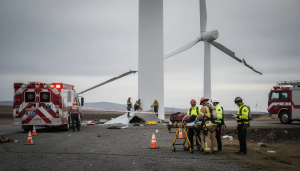
Wind farms present industrial hazards that can cause life-changing injuries. Understanding the most frequent accident scenarios helps injured workers recognize whether negligence may have contributed to their situation.
Falls from Height
Falls remain among the deadliest risks at wind projects. Workers climb towers reaching 80–120 meters, accessing nacelles via internal ladders or service lifts. Falls can result from:
-
Equipment failure (ladder rungs, safety harnesses, lift mechanisms)
-
Inadequate fall protection systems
-
Weather conditions making surfaces slippery
-
Fatigue during long ascents or descents
Common injuries: Traumatic brain injuries, spinal cord injuries, multiple fractures, and wrongful death.
Electrical Hazards
Wind turbines contain high-voltage components in nacelles, towers, and substations. Electrical incidents include:
-
Contact with energized components
-
Arc flash events producing extreme heat and pressure waves
-
Improper lockout/tagout procedures
Common injuries: Severe burns, cardiac injuries, nerve damage, and electrocution deaths.
Mechanical and Equipment Failures
Heavy rotating machinery creates multiple hazard points:
-
Dropped tools or components from nacelles
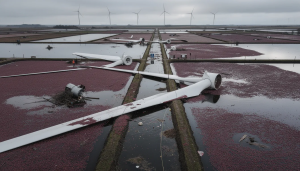
-
Blade or hub failures sending debris significant distances
-
Crane collapses during turbine erection
-
Gearbox or brake malfunctions causing uncontrolled rotor movement
Transportation and Logistics Risks
Getting to and from remote wind farms creates its own dangers:
-
Rollovers of service trucks on gravel access roads
-
Collisions with heavy-haul vehicles moving blades, nacelles, and towers
-
Accidents involving oversize loads on Texas highways
-
Transport of workers to offshore turbines via vessel or helicopter
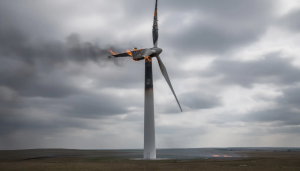
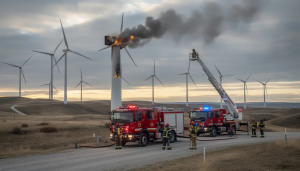
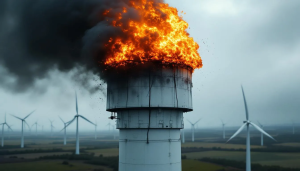
Fire Risks
Electrical faults or overheating gearboxes can ignite fires within nacelles. Workers trapped at height face extreme danger, requiring specialized rescue operations that may take hours to deploy in remote locations.
Most accidents occur during:
-
Initial construction phases
-
Major maintenance outages
-
Repowering projects upgrading older turbines
During these periods, multiple contractors and subcontractors work simultaneously, and safety oversight can break down when responsibilities aren’t clearly defined.

Who Is Most at Risk on a Wind Turbine Farm?
Primary worker groups facing elevated risk:
-
Wind turbine technicians
-
Electricians and electrical engineers
-
Crane operators
-
Ironworkers and riggers
-
Heavy-equipment operators
-
Truck drivers transporting components
-
Site supervisors and safety personnel
Others who may be injured:
-
Landowners and ranch hands involved in collisions on access roads
-
Nearby farmers struck by ice thrown from blades in cold weather
-
Anyone contacting above-ground electrical infrastructure
Many wind-farm workers are employed by out-of-state contractors, staffing companies, or specialized service firms. This arrangement can complicate questions about workers’ compensation coverage and third-party liability when accidents occur.
If you’ve been seriously injured at or near a wind farm:
-
Document the incident with photos, notes, and witness names
-
Seek immediate medical treatment
-
Report the incident to your employer
-
Consult a lawyer familiar with personal injury law and industrial safety standards
Legal Rights After a Wind Turbine Farm Accident in Texas
If you or a family member suffered a serious injury at a Texas wind farm, understanding your legal options is the first step toward recovery.
Workers’ Compensation vs. Third-Party Claims
Workers’ compensation provides benefits to covered employees regardless of fault. These benefits typically include medical expenses and a portion of lost wages, but they’re limited by statute.
Third-party personal injury lawsuits may be available against parties other than your employer whose negligence contributed to your injury:
-
Negligent contractors or subcontractors
-
Equipment manufacturers (for defective components)
-
Property owners who failed to maintain safe conditions
-
Other responsible parties
Common Forms of Negligence in Wind Farm Cases
-
Inadequate fall protection systems
-
Failure to follow lockout/tagout procedures
-
Poor training on equipment and safety protocols
-
Ignoring manufacturer safety bulletins
-
Rushed construction schedules prioritizing deadlines over safety
-
Defective turbine components or safety equipment
Compensation Available in Serious Injury and Wrongful Death Cases
|
Category |
Description |
|---|---|
|
Medical expenses |
Past and future treatment costs |
|
Lost wages |
Income lost during recovery |
|
Earning capacity |
Reduced ability to work in the future |
|
Pain and suffering |
Physical and emotional distress |
|
Disability and disfigurement |
Permanent impairments |
|
Loss of consortium |
Impact on family relationships |
|
Funeral expenses |
In wrongful death cases |
Texas Deadlines Matter
Texas law imposes specific statutes of limitations for filing personal injury and wrongful death claims. Missing these deadlines can permanently bar your case. Contacting a lawyer promptly after an incident protects your rights.
Why The Morgan Legal Group and InjuredCases.com
At The Morgan Legal Group, we bring more than legal knowledge to wind farm injury cases. Founding attorney Clinton Morgan’s 15+ years of hands-on experience investigating accidents in industrial, oil, gas, and wind-energy environments provides a strategic advantage other firms simply can’t match.
We understand how to:
-
Analyze liability across multiple contractors and subcontractors
-
Identify equipment defects and safety violations
-
Hold corporations and insurance companies accountable
-
Build strong claims for maximum compensation
Our approach to representing injured clients:
-
Personalized legal representation with direct attorney access
-
Aggressive advocacy from day one
-
Contingency-fee basis—you pay nothing unless we recover compensation
-
Free, no-obligation consultations
If you or a loved one was seriously injured at a wind turbine farm anywhere in Texas, you don’t have to navigate the legal process alone. Contact The Morgan Legal Group through InjuredCases.com to schedule your free consultation. There’s no financial risk to get answers about your legal options—and taking action quickly can make all the difference in protecting your rights.