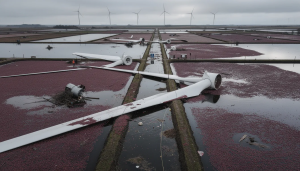
When residents in Plymouth, Massachusetts heard what David Daylor described as a “mini earthquake” in December 2024, they discovered a 75-100 foot wind turbine blade had crashed into a cranberry bog. This incident, like many others across the country, highlights growing safety concerns surrounding wind turbine operations and transport. As the wind energy industry rapidly expands, understanding the risks and prevention measures becomes crucial for communities, workers, and the public.
Wind turbine accident data reveals troubling patterns across multiple categories of incidents. From blade failures during operation to transport accidents on highways, these incidents affect both industry workers and the general public. Recent news reports document everything from fatal accidents to environmental contamination, raising questions about safety protocols and industry oversight.
Recent Major Wind Turbine Accidents
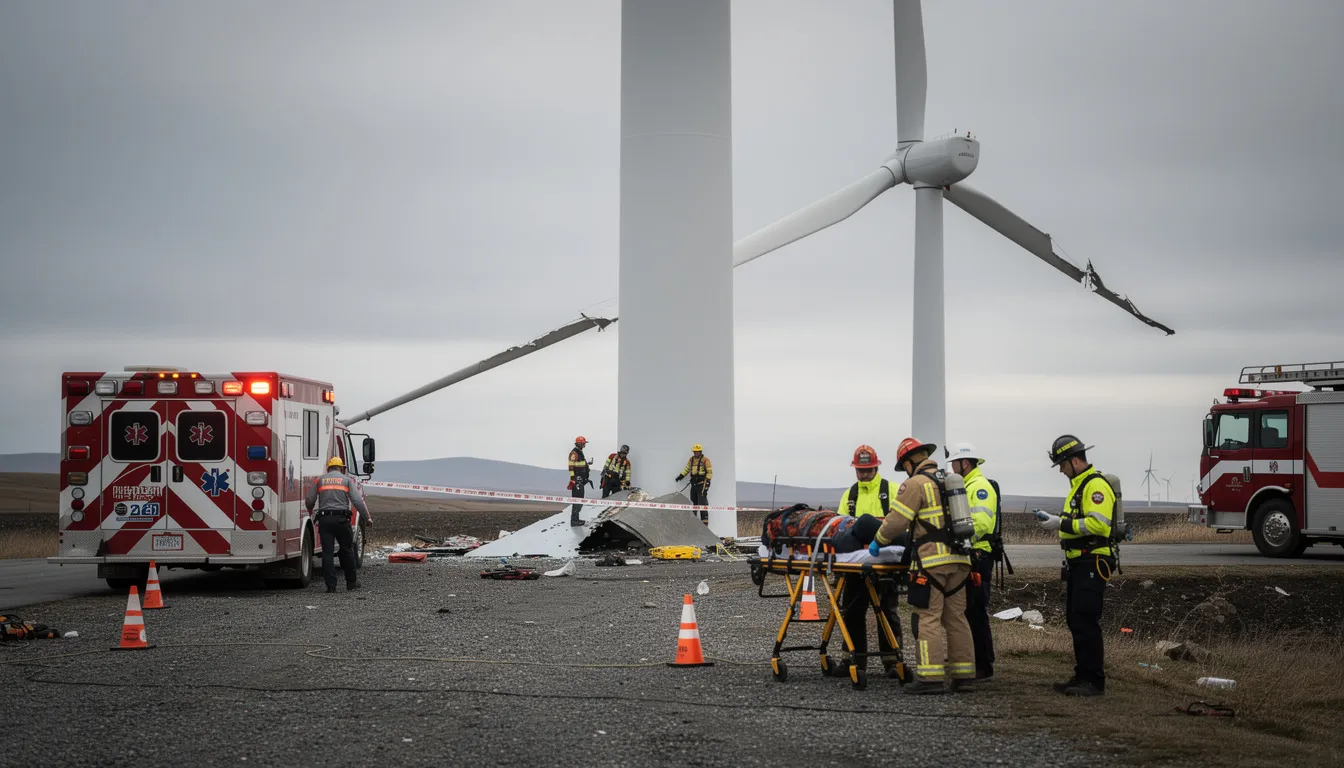
The summer of 2024 saw several significant wind turbine accidents that captured public attention and raised serious safety concerns. In July, a major incident occurred along Maryland’s Interstate 70 when a massive turbine blade fell from its transport trailer, injuring one person and forcing authorities to shut down traffic for hours. The accident demonstrated the risks associated with transporting increasingly large turbine components on public roads, as emergency crews worked to clear debris that had scattered across multiple lanes.

The Plymouth, Massachusetts cranberry bog accident became one of the most documented wind turbine incidents of the year. Residents reported hearing what sounded like a mini earthquake when the 75-100 foot blade detached from its tower and crashed approximately 300 feet away into sensitive wetland environment. David Daylor, a local resident, described the shocking experience to news outlets, explaining how the ground shook when the massive blade hit the earth. Fire officials from the Plymouth Fire Department responded quickly to the scene, working with company engineers to determine the cause of the failure and assess any environmental damage to the surrounding cranberry bog operations.
International incidents have proven even more devastating. In 2023, Akita City, Japan witnessed a fatal wind turbine accident when an 81-year-old cyclist was killed by falling blade debris. This incident shocked the local community and highlighted how wind turbine accidents can affect innocent members of the public who happen to be in the wrong place at the wrong time. The elderly person died from injuries sustained when turbine components struck them during what should have been a routine bike ride.
The Vineyard Wind turbine collapse near Nantucket created widespread environmental concerns when it scattered fiberglass debris along the Massachusetts coastline. Officials discovered that broken turbine components had contaminated beaches and marine areas, requiring extensive cleanup efforts involving multiple state agencies. The incident raised questions about the environmental risks of offshore wind installations and the challenges of cleaning up turbine debris in sensitive marine ecosystems.
Types of Wind Turbine Accidents
Wind turbine accidents fall into several distinct categories, each presenting unique risks and challenges. Understanding these different types helps communities and officials better prepare for potential incidents and develop appropriate emergency response protocols.
Blade detachment and structural failures during operation represent the most visible and dramatic type of wind turbine accident. These failures can occur suddenly, sending massive fiberglass and composite material components crashing to the ground with tremendous force. When three blades or even a single blade fails catastrophically, the debris field can extend hundreds of feet from the turbine tower, creating danger zones that put nearby residents, workers, and infrastructure at risk.
Transportation accidents involving turbine components on highways have become increasingly common as manufacturers produce larger turbines requiring specialized transport equipment. These incidents often involve blade sections, tower segments, or nacelle components falling from oversized trailers, blocking major roadways and creating hazardous conditions for other drivers. The massive size and weight of modern turbine components mean that even minor transport failures can shut down highways for hours while crews work to clear debris and determine if anyone was hurt.

Tower collapses during extreme weather conditions represent some of the most catastrophic wind turbine failures. These structural failures can occur when wind speeds exceed design limits or when foundation problems compromise tower stability. Engineers have documented cases where entire turbines have toppled over, creating massive debris fields and potential risks for anyone in the surrounding area.
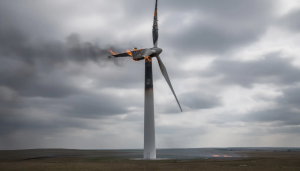
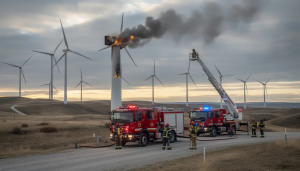
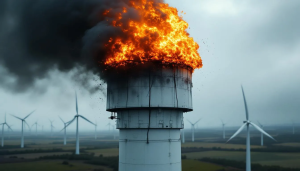
Fire incidents in turbine nacelles and electrical systems pose unique challenges for emergency responders. When flames break out in a wind turbine located hundreds of feet above ground level, firefighters often must wait for the fire to burn itself out while ensuring that falling debris doesn’t hurt anyone below. These fires can be caused by electrical faults, mechanical failures, or lightning strikes, and they’re particularly dangerous because the tower height makes direct firefighting intervention nearly impossible.
Ice throw accidents in cold climate regions create seasonal safety hazards that can affect large areas around wind installations. When ice accumulates on turbine blades during winter storms, the rotating blades can fling chunks of ice significant distances, potentially damaging property or injuring people. Some facilities must shut down operations during icy conditions to prevent these dangerous ice throw incidents.
Blade Failure Incidents
Blade failures represent the most common type of wind turbine accident, accounting for approximately 40-45% of all wind turbine failures industry-wide. Manufacturing defects have been identified as a significant factor in many blade failure cases, including high-profile incidents involving the GE Vernova Haliade-X blade systems. These manufacturing deviations can create weak points in the blade structure that may not become apparent until years after installation.
Fatigue-related failures develop gradually over years of operation as turbine blades endure millions of stress cycles. The constant flexing and bending motion eventually creates microscopic cracks that can propagate through the blade structure, leading to catastrophic failure. Engineers have discovered that environmental factors like ultraviolet radiation, temperature fluctuations, and precipitation can accelerate this fatigue process, causing blades to fail earlier than expected.
Weather-related damage during high wind events represents another major category of blade failure. When wind speeds exceed the turbine’s design limits – typically around 45 mph for many systems – the aerodynamic forces can overwhelm the blade structure. These sudden failures often occur during storm events when automatic shutdown systems may not respond quickly enough to prevent damage.
Specific manufacturers like Enercon and other major turbine companies have experienced documented blade failure incidents that have led to improved design standards and manufacturing processes. However, the industry continues to grapple with the challenge of preventing blade failures across thousands of installations operating in diverse environmental conditions.
Common Causes and Risk Factors
The root causes of wind turbine accidents often trace back to a combination of manufacturing issues, environmental factors, and operational challenges. Manufacturing deviations and quality control issues in blade production have been identified as significant contributors to premature failures. When companies fail to maintain strict quality standards during the manufacturing process, defects can remain hidden until normal operational stresses reveal structural weaknesses.
Extreme weather conditions that exceed turbine design specifications pose ongoing risks for wind installations. While modern turbines are designed to withstand specific wind speeds and environmental conditions, climate change and unusual weather patterns can subject installations to forces beyond their design limits. Wind speeds over 45 mph can trigger automatic shutdown systems, but sudden gusts and storm conditions don’t always provide enough warning time for protective measures to take effect.

Inadequate maintenance schedules and inspection protocols contribute to preventable accidents across the industry. When operators fail to conduct thorough inspections or skip scheduled maintenance, small problems can develop into major failures. The remote locations of many wind installations and the specialized equipment required for maintenance can make it tempting to defer maintenance activities, but this approach significantly increases accident risks.
Age-related deterioration becomes a growing concern as wind installations reach 10-25 years of operation. Components that performed reliably during the early years of operation may begin to show signs of wear and fatigue that require more intensive maintenance and monitoring. The industry is still learning about the long-term reliability of wind turbine components, as many installations are now reaching ages where age-related failures become more common.
Transportation risks when moving large turbine components on public roads have increased as manufacturers produce ever-larger turbines. The logistics of moving 100-foot blade sections and multi-ton nacelle assemblies through populated areas create numerous opportunities for accidents. Road conditions, bridge clearances, and weather can all affect transport safety, while the specialized equipment required for these moves may not always perform as expected.
Community Safety Concerns and Response
Local communities near wind installations often express concerns about safety risks, and recent incidents have validated many of these worries. Resident testimonials like David Daylor’s “mini earthquake” experience in Plymouth illustrate how wind turbine accidents can affect people living near installations. The psychological impact of these incidents extends beyond immediate safety concerns, as residents may worry about property damage, environmental contamination, and personal safety.
Long-standing community fears about turbine failures near residential areas have been documented in Massachusetts and other states with significant wind development. These concerns often focus on the potential for blade throw incidents that could damage homes or hurt family members, particularly kids playing outdoors. While industry data suggests that serious accidents affecting the general public are relatively rare, the consequences of such incidents can be severe enough to justify community vigilance.
Emergency response protocols from fire departments and local authorities have evolved as wind energy development has expanded. The Plymouth Fire Department and similar agencies have developed specialized procedures for responding to wind turbine accidents, recognizing that these incidents present unique challenges. Firefighters must consider factors like electrical hazards, falling debris, and environmental contamination when responding to turbine accidents.

Automatic shutdown systems and fail-safe mechanisms in modern turbines provide some protection against catastrophic failures, but they cannot prevent all accidents. These systems are designed to detect dangerous conditions and stop turbine operation, but mechanical failures can occur faster than protective systems can respond. Communities have learned that while these safety systems reduce risks, they cannot eliminate the possibility of accidents entirely.
Environmental Impact
Wind turbine accidents often create environmental contamination that extends far beyond the immediate accident site. Debris contamination in sensitive areas like cranberry bogs and coastal zones requires specialized cleanup efforts to prevent long-term environmental damage. The Plymouth incident demonstrated how turbine blade fragments can scatter across agricultural areas, potentially contaminating food production zones with fiberglass and composite materials.
Fiberglass and foam material cleanup challenges present ongoing environmental concerns following turbine accidents. These synthetic materials don’t break down naturally in the environment and can pose risks to wildlife and water quality if not properly removed. The lightweight nature of these materials means that even small fragments can be carried significant distances by wind and water, making complete cleanup extremely difficult.
Coordination with Massachusetts DEP and other environmental agencies has become a standard part of wind turbine accident response. These agencies provide expertise in assessing environmental damage and developing appropriate cleanup strategies. However, the unique nature of wind turbine debris means that traditional environmental cleanup protocols may not be fully adequate for addressing all contamination concerns.
Wildlife and habitat protection during cleanup operations requires careful planning to minimize secondary environmental damage. The heavy equipment needed to remove large turbine components can cause additional habitat disruption, while cleanup activities may disturb sensitive wildlife during critical breeding or migration periods. Environmental officials must balance the need for prompt debris removal with protection of existing ecosystems.
Investigation and Prevention Measures
Company investigation procedures following wind turbine accidents have become more sophisticated as the industry has gained experience with failure analysis. When a turbine accident occurs, manufacturers and operators typically deploy teams of engineers to examine the wreckage and determine what went wrong. These investigations often involve detailed analysis of component materials, review of maintenance records, and examination of environmental conditions at the time of failure.
Enhanced inspection schedules for aging wind farms represent one key prevention strategy emerging from accident investigations. As wind installations reach 10-15 years of operation, operators are implementing more frequent and thorough inspection protocols to identify potential problems before they lead to failures. These enhanced inspections may involve advanced imaging techniques, vibration analysis, and other diagnostic tools to detect early signs of component degradation.
Improved blade design and manufacturing quality control measures have been implemented following high-profile blade failure incidents. Manufacturers have invested in better quality assurance processes, improved materials testing, and enhanced design validation procedures. However, the long lead times in wind turbine development mean that design improvements may take several years to appear in operational installations.
Transportation safety protocols for oversized turbine components continue to evolve as accidents highlight weaknesses in current procedures. These improvements include better route planning, enhanced securement methods for turbine components, and improved coordination with local authorities during transport operations. Some states have also implemented stricter permitting requirements for oversized loads following wind turbine transport accidents.
Industry-wide safety standards and regulatory oversight improvements are being developed in response to documented accident patterns. Federal and state agencies are reviewing existing regulations to determine whether additional safety requirements are needed to protect workers and the public from wind turbine accidents.
Industry Response and Future Safety
GE Vernova and other major manufacturers have responded to recent blade failure incidents by implementing enhanced quality control procedures and improved blade designs. These companies recognize that blade failures represent both safety risks and significant financial losses, creating strong incentives for prevention. However, the complexity of wind turbine systems means that eliminating all failure risks remains a challenging goal.
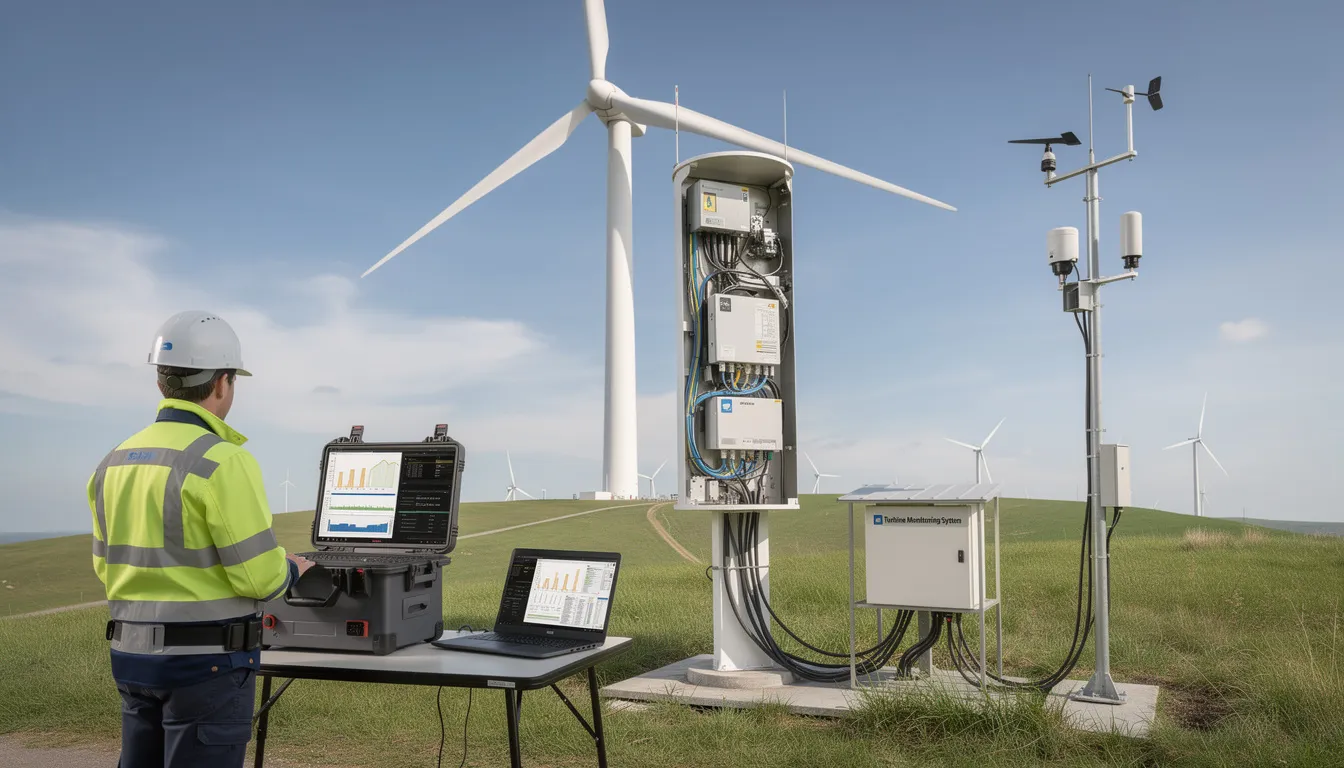
Technological advances in turbine monitoring and predictive maintenance offer promising approaches for preventing accidents before they occur. Modern wind turbines can be equipped with sensors that continuously monitor blade condition, vibration levels, and other parameters that might indicate developing problems. These monitoring systems can alert operators to potential issues before they lead to catastrophic failures.
Insurance and liability considerations play an increasingly important role in wind farm operations as accident data accumulates. Insurance companies are developing more sophisticated risk assessment models based on actual accident experience, and premiums may reflect the safety track record of different turbine manufacturers and operators. This market pressure provides additional incentives for improved safety performance.
Regulatory changes and safety standards updates are being developed following recent accidents, with particular attention to blade failure prevention and transport safety. These regulatory improvements may include enhanced inspection requirements, stricter quality control standards, and improved emergency response protocols. However, the international nature of wind turbine manufacturing means that regulatory coordination across different jurisdictions remains challenging.
The wind energy industry continues to search for ways to reduce accident risks while maintaining the economic viability of wind power development. As installations age and environmental stresses take their toll, the industry must balance the costs of enhanced safety measures against the benefits of renewable energy production. Recent accidents have highlighted that this balance requires ongoing attention and continuous improvement in safety practices.
Understanding wind turbine accident patterns and prevention measures remains crucial as wind energy development accelerates. Communities, workers, and operators all have roles to play in minimizing risks and responding effectively when accidents do occur. While the industry has made significant progress in safety, recent incidents demonstrate that continued vigilance and improvement are essential for protecting both workers and the public from wind turbine accidents.