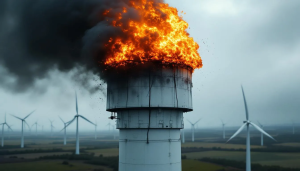
The spectacular collapse of massive wind turbines has captured public attention in recent years, from debris washing up on Massachusetts beaches to complete structural failures caught on camera. While renewable energy continues expanding globally, these dramatic incidents raise critical questions about turbine safety, design limitations, and the true costs of our clean energy transition.
Wind turbine collapse represents one of the most severe consequences in the renewable energy sector, with implications extending far beyond immediate safety concerns. These catastrophic failures affect everything from local communities and natural resources to the broader green energy industry’s reputation and future development plans.
This comprehensive analysis examines recent high-profile incidents, explores the technical root causes behind turbine failures, and investigates the industry’s evolving response to these critical safety challenges.
Recent Wind Turbine Collapse Incidents
Massachusetts Cranberry Bog Incident
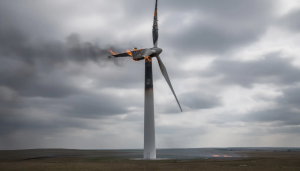
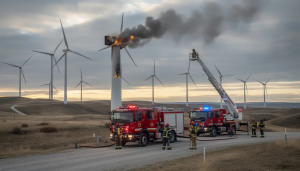
In early 2024, residents of Plymouth, Massachusetts witnessed a dramatic turbine failure when a 75-100 foot wind turbine blade collapse occurred near Head of the Bay Road. The Plymouth Fire Department responded immediately to secure the area and assess potential risks to the community.
The incident highlighted vulnerabilities in older turbine installations, particularly those constructed during the early expansion of renewable operations in the Bay State. Local authorities worked quickly to establish safety perimeters around the debris field, which extended several hundred feet from the point of impact.

David Meiners, a local resident who witnessed the collapse, described the sound as “impossible to ignore” and noted how fiberglass debris was carried by strong wind across the cranberry bog. The incident raised immediate concerns about the safety of nearby installations and the possibility of similar failures in aging infrastructure.
Vineyard Wind Offshore Blade Failure
Perhaps the most significant recent wind turbine collapse occurred in federal waters off Nantucket, when a 350-foot GE Haliade-X turbine blade failed catastrophically. The massive blade, part of Vineyard Wind’s offshore installation, broke apart and scattered debris across South Shore beaches and into protected marine areas.
GE Vernova, the manufacturer, immediately initiated a comprehensive root cause analysis to determine the failure mechanism. The company’s investigation revealed manufacturing deviations in the blade construction process, particularly in the bonding of fiberglass and foam core materials.
The debris field extended over a 500-meter radius, with chunks of fiberglass and foam washing ashore from Nantucket to Cape Cod. Emergency response teams worked around the clock to collect debris and assess environmental impact, particularly concerns about PFAS contamination from PTFE components within the blade structure.
Timeline and Emergency Response
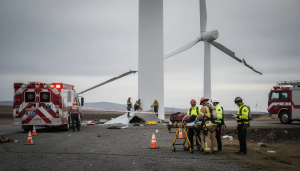
The response to these incidents demonstrated the complex logistical challenges of managing wind turbine failures:
-
Immediate Response (0-6 hours): Emergency services establish safety perimeters and assess immediate public safety risks
-
Short-term Management (6-72 hours): Debris collection begins, environmental impact assessment initiated
-
Medium-term Recovery (1-4 weeks): Comprehensive cleanup, preliminary failure analysis, turbine automatically shut down procedures implemented across similar installations
-
Long-term Investigation (1-6 months): Root cause analysis completion, regulatory review, prevention measures development
Historic Wind Turbine Collapse Cases
Denmark’s Documented Failure
The February 22, 2008 collapse of a Nordtank NTK 600-180/43 turbine in Hornslet, Denmark remains one of the most well-documented wind turbine failures in history. The entire event was captured on video and uploaded to YouTube, providing unprecedented visual documentation of a complete structural failure.
The incident began when strong winds exceeded the turbine’s design parameters, causing the brake system to malfunction. Without proper speed control, the rotor accelerated beyond safe operational limits, leading to catastrophic blade failure. The fractured blade struck the tower, creating a chain reaction that resulted in complete tower collapse.

This case became a landmark study in turbine failure analysis, demonstrating how multiple systems failures can cascade into total structural collapse. The incident highlighted the critical importance of reliable braking systems and the devastating consequences when primary safety systems fail to function as expected.
Oklahoma and Texas GE Turbine Failures
A series of turbine collapses across Oklahoma and Missouri involving GE turbines led to significant legal actions and increased scrutiny of manufacturing quality control processes. These incidents revealed systematic issues in turbine construction and maintenance protocols that had gone undetected for years.
Ameren, the utility company operating several of the failed installations, documented how turbine failures often followed similar patterns: initial blade damage, followed by imbalance loads, and eventual tower buckling. The company’s analysis showed that many failures occurred during the first few years of operation, suggesting manufacturing or installation defects rather than wear-out failures.
International Scope of Risk
Wind turbine collapse incidents have been reported across the world’s major renewable energy markets, from offshore installations in European waters to onshore wind farms in developing countries. This global pattern suggests that turbine failure risks are inherent to current technology rather than isolated regional issues.
Statistical analysis over the past decade reveals that turbine collapses occur at an average rate of 3-5 incidents per 1,000 installed turbines annually. While this represents a relatively low failure rate, the scale of modern wind installations means that dozens of significant collapses occur worldwide each year.
Technical Causes of Wind Turbine Collapses
Manufacturing Quality Control Failures
Root cause analysis of recent incidents has consistently identified manufacturing deviations as a primary factor in blade failures. GE Vernova’s investigation into the Vineyard Wind incident revealed specific quality control lapses in the blade production process, including improper bonding of composite materials and inadequate testing of finished components.
Modern wind turbine blades represent some of the most complex composite structures ever mass-produced. Each blade incorporates multiple layers of fiberglass, carbon fiber, and foam core materials, all bonded with specialized adhesives. Any deviation in this process can create weak points that fail under operational stress.
The company’s analysis revealed that even minor variations in temperature, humidity, or curing time during manufacturing can significantly impact blade integrity. These findings led to enhanced quality assurance programs and third-party verification requirements across the industry.
Structural Stress Factors
Wind turbines face unprecedented structural challenges as installations grow larger and more powerful. Modern offshore turbines generate massive rotational forces that create complex stress patterns throughout the tower and foundation systems.
Rotor overspeed events represent one of the most dangerous failure modes. When braking systems fail during high winds, the turbine blades can exceed their design rotation speed, generating centrifugal forces that overwhelm structural components. This was the primary mechanism in the Denmark collapse and several similar incidents.
Tower fatigue presents a long-term threat that becomes more significant as wind farms age. Constant exposure to wind loading creates microscopic cracks in tower materials that gradually propagate over years of operation. Many turbine collapses occur in installations that are 15-20 years old, approaching the end of their expected design life.
Material Composition Vulnerabilities
The shift toward larger offshore turbines has pushed composite material technology to its limits. Blades now exceed 100 meters in length and must withstand hurricane-force winds while maintaining precise aerodynamic profiles.
Fiberglass and carbon fiber composites offer excellent strength-to-weight ratios but are vulnerable to specific failure modes. Delamination between composite layers can occur due to manufacturing defects, environmental exposure, or operational stresses. Once delamination begins, it typically propagates rapidly, leading to catastrophic blade failure.
Foam core materials used in blade construction present additional challenges. These lightweight cores provide structural stiffness but can degrade over time when exposed to moisture or temperature cycling. Failure of the foam core can cause blade sections to separate, creating the imbalance loads that frequently lead to tower collapse.
Blade Failure Mechanisms
Root Cause Analysis Findings
GE Vernova and other manufacturers have identified several primary blade failure mechanisms through extensive testing and field incident analysis:
Fatigue Cracking: Repeated stress cycles gradually weaken composite materials, particularly at stress concentration points such as root connections and lightning protection systems.
Environmental Degradation: Ultraviolet radiation, salt spray (in offshore applications), and temperature cycling can degrade composite materials over time.
Impact Damage: Bird strikes, lightning strikes, and debris impact can create localized damage that propagates under operational stress.
Manufacturing Defects: Improper curing, contamination during layup, or inadequate quality control can create weak points that fail under normal operating conditions.
Weather-Related Stress Factors
Extreme weather events represent the single largest category of turbine collapse triggers, accounting for over 55% of documented failures. Hurricanes and nor’easters can generate wind speeds that exceed turbine design parameters, while rapid wind direction changes create complex loading patterns that stress structural components.
Ice accumulation presents particular challenges for installations in cold climates. Ice buildup on blades creates weight imbalances and changes aerodynamic properties, while ice shedding can create sudden load changes that shock the structural system.
The increasing frequency of extreme weather events due to climate change has forced the industry to reconsider design parameters for new installations. Many older turbines were designed for weather patterns that no longer accurately represent operating conditions.
Inspection and Maintenance Inadequacies
Analysis of turbine collapse incidents frequently reveals maintenance and inspection deficiencies that contributed to failures. Many wind farms operate on extended maintenance schedules that may not adequately address the rapid degradation that can occur in composite materials.
Traditional visual inspections often fail to detect internal damage in composite blades. Advanced inspection techniques such as ultrasonic testing and thermographic imaging are becoming standard but require specialized equipment and training that many operators lack.
The remote locations of many wind installations also complicate maintenance efforts. Offshore turbines, in particular, face logistical challenges that can delay necessary repairs and allow minor issues to develop into major failures.
Environmental and Safety Impact
Debris Field Analysis
Recent incidents in Massachusetts and Nantucket have provided detailed data on the environmental impact of wind turbine collapses. The Vineyard Wind blade failure created a debris field covering approximately 500 meters radius, with fragments ranging from small fiberglass pieces to multi-ton blade sections.
Emergency response teams documented over 1,000 individual pieces of debris, with the largest fragments measuring up to 15 feet in length. The debris field analysis revealed that wind and ocean currents can transport turbine fragments significant distances from the original failure site.

The distribution pattern of debris depends heavily on failure mode and environmental conditions at the time of collapse. Explosive blade failures tend to scatter smaller fragments over wider areas, while progressive failures may result in larger pieces falling closer to the turbine base.
Fiberglass and Foam Pollution
Wind turbine blades contain significant quantities of fiberglass and synthetic foam materials that can persist in the environment for decades. These materials do not biodegrade naturally and can create long-term pollution challenges in both marine and terrestrial environments.
Fiberglass particles can become airborne during and after a collapse, creating potential health risks for emergency responders and nearby residents. The Massachusetts incident required specialized cleanup crews wearing respiratory protection to safely collect debris from the cranberry bog.
Foam core materials present additional environmental concerns due to their lightweight nature and tendency to break apart into small pieces. These fragments can be ingested by wildlife and may contain chemical additives that pose toxicological risks.
PFAS Contamination Concerns
Modern wind turbine blades often incorporate PTFE (polytetrafluoroethylene) components in lightning protection systems and bearing assemblies. When these components are damaged during a collapse, they can release PFAS (per- and polyfluoroalkyl substances) into the environment.
PFAS contamination has become a major concern for Massachusetts environmental regulators, particularly given the state’s extensive experience with PFAS pollution from industrial sources. The persistence of these chemicals in the environment and their potential health impacts have led to enhanced monitoring protocols following turbine failures.
Initial testing of debris from the Vineyard Wind incident detected elevated PFAS levels in several samples, though concentrations remained below immediate health concern thresholds. Long-term monitoring will be necessary to assess any lasting environmental impact.
Wildlife Protection and Habitat Restoration
Wind turbine collapses can cause significant damage to protected wildlife habitats, particularly in offshore environments where turbines are often located near sensitive marine ecosystems. The Vineyard Wind incident occurred in waters that serve as critical habitat for endangered North Atlantic right whales.
Emergency response protocols now include rapid deployment of wildlife protection measures, including floating barriers to contain debris and prevent wildlife exposure to potentially toxic materials. Marine mammal observers monitor the area for signs of wildlife distress or behavioral changes.
Habitat restoration following a turbine collapse can take years to complete, particularly in marine environments where debris may be difficult to locate and remove. The Massachusetts incident required extensive coordination between federal wildlife agencies, state environmental officials, and the wind farm operator to ensure thorough cleanup.
Community Safety Protocols
Emergency Evacuation Procedures
Wind turbine collapses require immediate implementation of emergency evacuation procedures to protect nearby residents and workers. Safety perimeters typically extend 1.5 times the turbine height in all directions, which can encompass significant areas for modern large-scale installations.
The Plymouth Fire Department developed comprehensive evacuation protocols following the cranberry bog incident, including pre-designated evacuation routes and temporary shelter locations for displaced residents. These protocols recognize that turbine debris can travel unpredictable distances during a collapse.
Communication systems play a critical role in emergency response, with automated alert systems notifying residents of immediate evacuation orders. Social media and local news outlets provide ongoing updates as the situation develops and safety perimeters are adjusted.
Health Risks and Exposure Protocols
Fiberglass exposure represents the primary health risk for community members near a turbine collapse site. The material can cause skin, eye, and respiratory irritation, particularly when fragments become airborne during windy conditions.
Emergency responders and cleanup crews require specialized personal protective equipment, including respiratory protection, full-body suits, and eye protection. Community members are advised to avoid the area entirely until professional cleanup is complete.
Long-term health monitoring may be necessary for individuals with significant exposure to turbine debris, particularly if PFAS contamination is detected. Massachusetts health officials have established screening protocols for potentially exposed individuals following the recent incidents.
Economic Impact Assessment
Wind turbine collapses can have significant economic impacts on local communities, particularly those dependent on tourism and fishing industries. Beach closures following the Vineyard Wind incident affected summer tourism revenue during peak season.
Fishing operations face both immediate and long-term impacts from turbine debris. Nets and equipment can be damaged by submerged fragments, while concerns about seafood contamination may affect market demand for locally caught fish.
Property values near wind installations may be affected by high-profile collapse incidents, particularly if residents perceive ongoing safety risks from nearby turbines. Real estate professionals in Massachusetts have reported increased inquiries about turbine proximity following recent incidents.
Industry Response and Prevention Measures
Enhanced Inspection Protocols
The wind energy industry has implemented comprehensive inspection protocol improvements following recent high-profile failures. GE Vernova has introduced advanced drone-based inspection systems that can detect microscopic cracks and delamination in turbine blades before they progress to failure.
These enhanced protocols include mandatory quarterly inspections using specialized equipment such as ultrasonic testing devices and thermal imaging cameras. The inspection frequency increases for turbines approaching their 15-year operational milestone, when fatigue-related failures become more common.
Third-party verification requirements now mandate independent assessment of critical components, removing potential conflicts of interest between manufacturers and operators. This independent oversight has already identified several turbines with potential safety issues that might otherwise have gone undetected.
Federal Oversight Requirements
The Bureau of Ocean Energy Management (BOEM) has significantly strengthened federal oversight requirements for offshore wind installations following the Vineyard Wind incident. New regulations require enhanced structural monitoring systems and immediate shutdown protocols when specified stress thresholds are exceeded.
BOEM now requires operators to maintain detailed structural health monitoring databases that track stress patterns, vibration levels, and environmental conditions throughout each turbine’s operational life. This data must be shared with federal regulators and made available for post-incident analysis.
Emergency response planning requirements have been expanded to include specific protocols for debris containment, environmental protection, and community notification. Operators must demonstrate their ability to respond effectively to various collapse scenarios before receiving operational permits.
Massachusetts Policy Improvements
Governor Healey’s administration has implemented comprehensive offshore wind safety protocol improvements that serve as a model for other states developing renewable energy programs. These protocols emphasize proactive prevention rather than reactive response to incidents.
Massachusetts now requires enhanced environmental bonding for offshore wind projects, ensuring adequate funding is available for cleanup and restoration activities in the event of a failure. The bond amounts are calculated based on worst-case debris scenarios for each specific installation.
The state has also established an independent technical review board that evaluates all proposed offshore wind installations for potential safety risks. This board includes experts in structural engineering, marine ecology, and emergency management who provide objective assessment of project risks.
Industry-Wide Quality Assurance Changes
Major turbine manufacturers have implemented industry-wide quality assurance program changes that address the manufacturing defects identified in recent failure investigations. These programs include enhanced testing protocols, improved quality control documentation, and mandatory third-party audits of production facilities.
GE Vernova has introduced blockchain-based tracking systems that create immutable records of every manufacturing step for each turbine component. This system enables rapid identification of potentially affected turbines when manufacturing defects are discovered.
Quality assurance changes extend beyond manufacturing to include enhanced training requirements for installation and maintenance crews. Certification programs now include specific modules on recognizing early signs of structural failure and implementing appropriate safety responses.
Future Prevention Strategies
Advanced Monitoring Systems
The next generation of wind turbines will incorporate real-time structural health assessment systems that continuously monitor stress levels, vibration patterns, and environmental conditions. These systems can automatically shut down turbines when conditions exceed safe parameters, preventing many collapse scenarios.
Artificial intelligence and machine learning algorithms analyze monitoring data to predict potential failures before they occur. These systems learn from historical failure patterns to identify early warning signs that might not be apparent to human operators.
Wireless sensor networks distributed throughout turbine structures provide comprehensive coverage of critical stress points. The sensors communicate continuously with central monitoring stations, enabling immediate response to developing problems.
Materials Science Applications
Advanced composite materials under development promise to address many of the vulnerabilities identified in current turbine blade designs. Self-healing polymers can automatically repair small cracks before they propagate into major failures.
Nanomaterial reinforcements improve the fatigue resistance of composite structures while maintaining the lightweight properties essential for efficient turbine operation. These materials also offer improved resistance to environmental degradation.
Smart materials that change properties in response to environmental conditions could enable turbine blades that automatically adapt to changing wind conditions, reducing stress concentrations that lead to failure.
Weather Integration and Shutdown Protocols
Enhanced weather prediction integration enables more sophisticated proactive shutdown protocols that account for complex meteorological conditions. Machine learning algorithms analyze weather patterns to predict dangerous conditions hours or days in advance.
Automated shutdown systems now consider factors beyond simple wind speed, including wind direction changes, atmospheric pressure variations, and lightning risk assessments. These systems can gradually reduce turbine loading as conditions deteriorate, minimizing shock loads that can trigger failures.
Regional coordination systems allow multiple wind farms to share weather and operational data, enabling better prediction of dangerous conditions across large geographic areas. This coordination is particularly important for offshore installations where weather patterns can change rapidly.
Regulatory Framework Updates
Regulatory authorities worldwide are updating safety standards for offshore wind development to reflect lessons learned from recent incidents. These updates include enhanced design requirements, improved inspection protocols, and more comprehensive emergency response planning.
International coordination on turbine safety standards ensures that lessons learned from failures in one region benefit the global renewable energy industry. Organizations such as the International Energy Agency facilitate information sharing between national regulatory bodies.
Future regulatory frameworks will likely include mandatory structural health monitoring for all new installations, with standardized data collection and reporting requirements that enable comprehensive industry-wide failure analysis.
Conclusion
Wind turbine collapse incidents represent a critical challenge for the renewable energy industry as it scales to meet global climate goals. While these failures remain relatively rare statistically, their dramatic nature and potential for environmental damage demand continued vigilance and improvement across all aspects of turbine design, manufacturing, and operation.
Recent incidents in Massachusetts and other locations have revealed both the complexity of turbine failure mechanisms and the industry’s capacity to learn from these events. The comprehensive response from manufacturers, regulators, and operators demonstrates a commitment to addressing safety concerns while maintaining the renewable energy transition’s momentum.
The future of wind energy depends on successfully balancing the urgent need for clean energy infrastructure with the imperative to protect communities and environments from the risks associated with these massive mechanical systems. Through continued innovation in materials science, monitoring technology, and regulatory oversight, the industry can work toward eliminating catastrophic failures while expanding renewable energy capacity worldwide.
The path forward requires sustained collaboration between all stakeholders – from turbine manufacturers and wind farm operators to emergency responders and local communities. Only through this comprehensive approach can the wind energy sector achieve the safety standards necessary to maintain public support for continued renewable energy development.