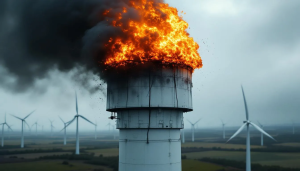
On October 29, 2013, a routine maintenance operation at a wind farm in the Netherlands turned into an unthinkable tragedy. What began as a standard inspection at the Piet de Wit wind farm in Ooltgensplaat would create one of the most haunting images in the wind energy industry’s history. The incident serves as a sobering reminder that while wind turbine fire events are rare, they can have devastating consequences when they happen.
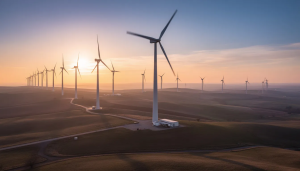
The wind industry has experienced tremendous growth, with approximately 72,000 wind turbines now operational across the United States alone. As this critical infrastructure continues to expand, understanding the risks, causes, and prevention measures for wind turbine burn incidents becomes increasingly important. From electrical failures to mechanical breakdowns, several factors can create the perfect storm for a burning turbine scenario.
This comprehensive examination explores the tragic incidents that have shaped industry safety protocols, the technical challenges that make wind turbine fires particularly dangerous, and the ongoing efforts to protect both workers and communities from these rare but potentially catastrophic events.
The 2013 Netherlands Wind Turbine Fire Tragedy
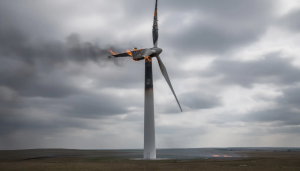
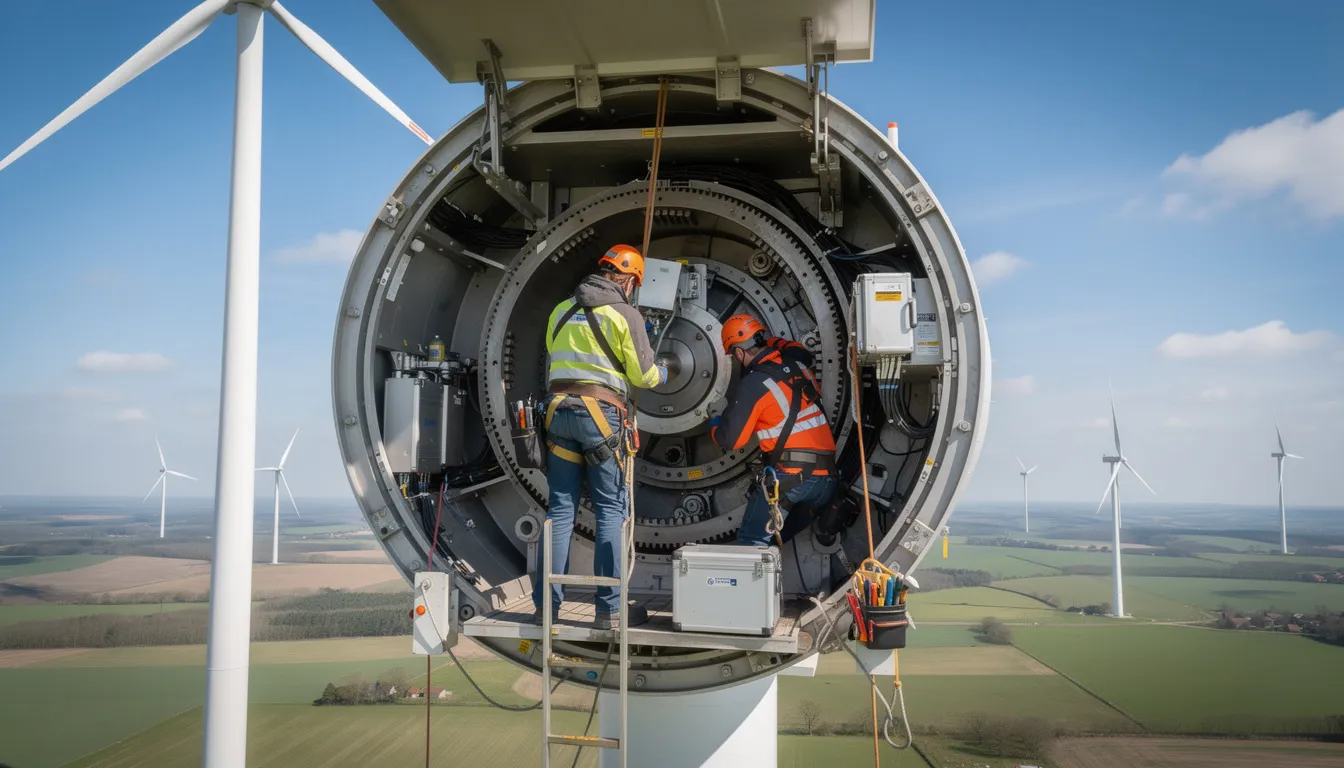
The October 29, 2013 incident at the Piet de Wit wind farm remains one of the most tragic events in wind energy history. Four mechanics from Vestas were performing routine maintenance on a V-66 wind turbine when a fire broke out in the nacelle. The suspected cause of the fire was a short circuit in the generator, which quickly engulfed the turbine’s electrical systems.
Two engineers, ages 19 and 21, found themselves trapped at the top of the burning turbine with no way to escape. The specialized team of mechanics had been conducting standard maintenance procedures when the blaze erupted, leaving insufficient time for a safe evacuation. A photograph captured the two young men embracing on the nacelle as flames consumed the structure below them, creating an image that would forever be etched in the industry’s collective memory.
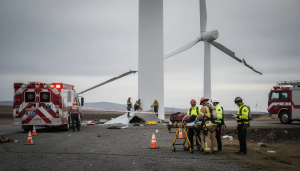
The fire department was called to the scene, but firefighters faced the impossible task of reaching the technicians at such height. Traditional firefighting equipment proved woefully inadequate for the 500-foot structure. The two engineers who remained trapped ultimately died, while their colleagues fortunately managed to escape using the turbine’s internal ladder system before the flames spread further.
The tragedy highlighted the complex safety challenges that maintenance teams face when working on these towering structures. The victim of this incident became symbols of the risks that thousands of technicians accept as part of their daily work in the wind energy sector. The company issued a statement expressing their grief and commitment to preventing such accidents in the future.
Emergency responders and the local community were left to grapple with the devastating reality that some industrial accidents simply cannot be prevented through traditional rescue methods. The case underscored the critical importance of fire prevention systems and emergency evacuation protocols in wind turbine design and operation.
Common Causes of Wind Turbine Fires
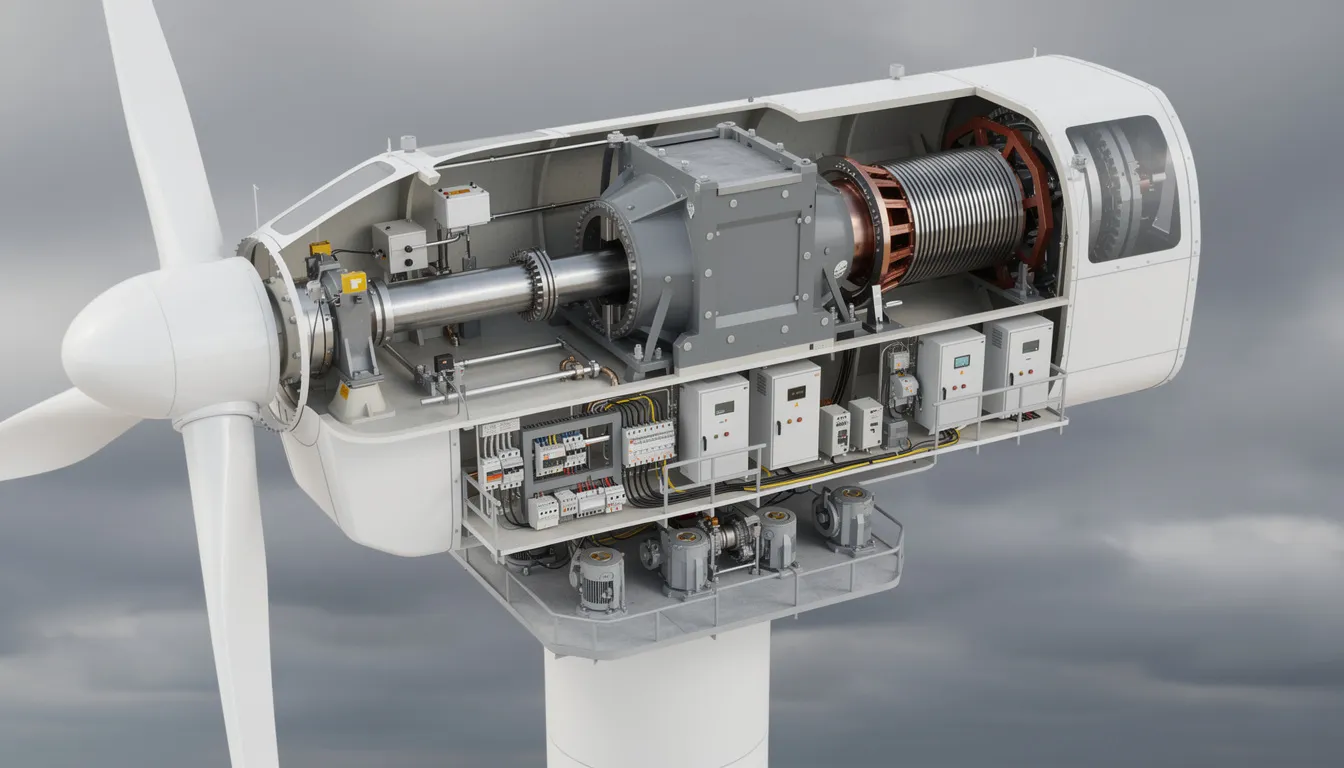
Wind turbine fire incidents typically stem from several technical failures, with electrical problems being the most frequent culprit. Short circuits in generators, transformers, and control systems create the initial spark that can ignite surrounding materials. The nacelle houses numerous electrical components that operate under high voltage and generate significant heat during normal operations.
Brake system failures represent another significant risk factor. When brake systems overheat or malfunction, they can generate sufficient heat to ignite hydraulic fluids and other combustible materials within the nacelle. These mechanical failures often occur during high wind conditions when braking systems work harder to control turbine speed.
Lightning strikes pose a unique threat to wind turbines due to their height and exposed location. While most modern turbines include lightning protection systems, direct strikes can still overwhelm these safeguards and cause electrical failures that lead to fires. The tall structures attract lightning naturally, making this an ongoing concern for operators.
Arc flash incidents during maintenance operations create another pathway to disaster. When technicians work on live electrical systems, equipment malfunctions can produce intense electrical arcs capable of igniting nearby materials instantly. These incidents often occur during what should be routine maintenance procedures.
Hydraulic fluid leaks compound fire risks when flammable liquids come into contact with hot surfaces or electrical sparks. The confined space of the nacelle concentrates these risks, as multiple potential ignition sources exist in close proximity to combustible materials. Understanding these cause factors helps explain why approximately 90 percent of wind turbine fires originate in the nacelle area.
Firefighting Challenges and Emergency Response
Emergency responders face unprecedented challenges when dealing with a burning wind turbine. The sheer height of modern turbines, often exceeding 500 feet, places fires well beyond the reach of traditional firefighting equipment. Standard fire department ladders and aerial equipment simply cannot access the nacelle where most fires occur.
The rotating blades create additional safety hazards for emergency personnel on the ground. Even during a fire, wind conditions may cause blades to continue spinning, creating falling debris risks and making approach dangerous for firefighters and rescue teams. The trouble extinguishing fires at such heights forces responders to adopt a defensive strategy, focusing on protecting surrounding areas rather than direct fire suppression.
Specialized teams with large crane equipment represent one potential solution, but these resources are rarely available at rural wind farm locations. The time required to mobilize such equipment often exceeds the fire’s duration, as burning turbines typically reach total loss within hours of ignition.
Remote wind farm locations compound response challenges, as fire stations may be located significant distances from turbine sites. Rural communities often lack the specialized equipment and training necessary to effectively respond to these unique industrial emergencies. This geographic isolation means that by the time firefighters arrive on scene, the blaze has often consumed the entire nacelle structure.
The falling burning debris from a wind turbine fire can ignite ground vegetation and threaten nearby structures. Emergency responders must account for this secondary fire risk while managing the primary incident. In some cases, such as the Country Fire Service incident referenced in Australia, ground fires require extensive backburning operations and significant resource deployment to contain.
Recent Wind Turbine Fire Incidents
The wind energy sector has continued to experience turbine fire incidents across multiple manufacturers and locations. In 2023, a Siemens Gamesa turbine caught fire at the Bulgana Green Power Hub in Victoria, Australia, demonstrating that these incidents remain an ongoing industry challenge despite technological advances.
Multiple Gamesa turbine fires have occurred at various wind farms across the United States, raising questions about specific design vulnerabilities and maintenance protocols. These incidents have prompted investigations into whether certain turbine models or components are more susceptible to fire risks than others.
Iberdrola’s Barton 2 and Locust Ridge projects have experienced their own turbine fire incidents, adding to the growing database of industry safety concerns. Each incident provides valuable data for engineers and safety specialists working to understand and prevent future occurrences.
The global pattern of turbine fires spans different manufacturers, operating conditions, and maintenance schedules, suggesting that fundamental challenges exist across the industry rather than being isolated to specific companies or designs. Ongoing investigations into these incidents continue to reveal new insights about fire causation and prevention.
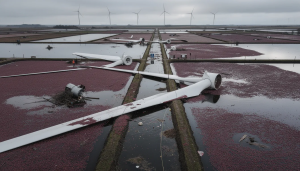
Recovery operations following turbine fires often require specialized teams and equipment. The destroyed components must be carefully removed from heights, while ensuring that damaged structures don’t pose ongoing risks to workers or the public. These complex recovery efforts can take weeks or months to complete safely.

Manufacturer Safety Records and Legal Issues
Vestas, one of the world’s leading turbine manufacturers, has faced scrutiny over its turbine fire history and documented brake problems. The company’s V-66 model involved in the 2013 Netherlands tragedy brought particular attention to brake system designs and emergency evacuation procedures.
Gamesa’s multiple fire incidents have resulted in significant legal and financial consequences for the Spanish manufacturer. Maintenance-related issues have been cited in several cases where turbines experienced fires during or shortly after service operations. The company has undertaken efforts to address these systemic issues through design improvements and enhanced maintenance protocols.
Legal actions stemming from turbine fires have reached substantial financial settlements. The Kumeyaay Wind Farm case resulted in a $34.5 million turbine blade replacement settlement, demonstrating the significant financial exposure that manufacturers face when safety issues lead to equipment failures.
Warranty disputes worth millions of dollars have emerged as wind farm operators seek compensation for fire-damaged turbines and associated losses. These legal battles often center on questions of whether fires resulted from design defects, inadequate maintenance, or normal wear and tear.
Industry acknowledgment of fire risks has led to increased investment in safety improvements across major manufacturers. Companies now recognize that their long-term reputation and financial stability depend on addressing these safety challenges proactively rather than reactively.
The legal landscape continues to evolve as courts grapple with questions of liability, industry standards, and reasonable safety expectations. These cases help establish precedents that influence future turbine design requirements and safety protocols throughout the wind energy sector.
Industry Safety Measures and Prevention
Enhanced fire detection and suppression systems have become standard features in modern wind turbine nacelles. These systems use advanced sensors to detect heat, smoke, and gas signatures that indicate developing fire conditions. Early detection allows for rapid response before fires can spread throughout the turbine structure.
Improved maintenance protocols now emphasize fire prevention through regular inspection of electrical connections, brake systems, and hydraulic components. Technicians receive specialized training to recognize potential fire hazards and follow strict safety procedures when working on energized equipment.
Remote monitoring technology enables operators to track turbine performance in real-time, identifying anomalies that could indicate developing problems. This predictive maintenance approach helps prevent component failures before they reach critical levels that could trigger fires.
Emergency escape systems for maintenance personnel have been redesigned based on lessons learned from tragic incidents. These systems now provide multiple evacuation routes and faster descent options for workers who find themselves trapped during emergency situations.
Regular inspection schedules for electrical and mechanical components help identify wear patterns and potential failure points before they become dangerous. These comprehensive maintenance programs require significant investment but prove cost-effective compared to the total loss scenarios that fires typically create.
The implementation of flame-retardant materials in critical turbine components reduces fire spread potential. Manufacturers now specify fire-resistant lubricants, cables, and composite materials that slow fire progression and provide additional time for evacuation or suppression system activation.

Regulatory Response and Community Concerns
Local government officials have begun expressing increased concern about fire safety as wind farms expand into new geographic areas. Rural communities question whether their emergency services have adequate resources and training to respond effectively to wind turbine fire incidents.
Wind farm approval processes now frequently include detailed fire risk assessments and emergency response plans. Developers must demonstrate how they will coordinate with local emergency services and what measures they will take to protect surrounding communities from fire risks.
Community vulnerability to wind turbine fires extends beyond the immediate safety concerns to include economic impacts on local property values and insurance costs. Residents near wind farms worry about the potential for fires to spread to surrounding vegetation and threaten homes and agricultural operations.
The impact on emergency services requires careful consideration of resource allocation and training needs. Fire departments must decide whether to invest in specialized equipment for wind turbine emergencies or rely on mutual aid agreements with better-equipped agencies.
Calls for stricter safety standards have gained momentum following high-profile incidents. Industry advocates argue that current voluntary standards are sufficient, while safety experts and community groups push for mandatory fire suppression requirements and enhanced emergency response capabilities.
Regulatory agencies face the challenge of balancing renewable energy development goals with public safety concerns. The continuing evolution of wind turbine technology requires adaptive regulatory approaches that can address emerging safety issues while supporting industry growth.
Moving Forward: Lessons Learned and Future Outlook
The wind turbine burn incidents that have occurred throughout the industry’s development have provided valuable insights into the unique safety challenges of renewable energy infrastructure. While these fires remain statistically rare events, their potential consequences demand continued attention and investment in prevention technologies.
The tragedy of the 2013 Netherlands incident and subsequent fire events have driven meaningful improvements in turbine design, maintenance protocols, and emergency response procedures. The wind energy industry has demonstrated its commitment to learning from these difficult experiences and implementing changes that better protect workers and communities.
As the wind energy sector continues its rapid expansion, the absolute number of turbines in operation increases the importance of maintaining vigilant safety standards. Each new installation represents both an opportunity to implement the latest safety technologies and a responsibility to ensure that past tragedies are not repeated.
The ongoing development of fire suppression systems, enhanced maintenance procedures, and improved emergency response capabilities reflects the industry’s maturation and commitment to safety. These investments, while significant, pale in comparison to the human and financial costs of preventable accidents.
The future of wind energy safety depends on continued collaboration between manufacturers, operators, regulators, and emergency responders. Only through this collective effort can the industry ensure that the pursuit of clean energy does not come at an unacceptable cost to worker safety or community well-being.
For those working in or considering careers in the wind energy sector, understanding these risks and the ongoing efforts to address them remains essential. The sacrifices of those who have lost their lives in wind turbine incidents must serve as a continuing reminder of the importance of never compromising on safety in the pursuit of renewable energy goals.