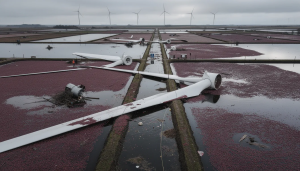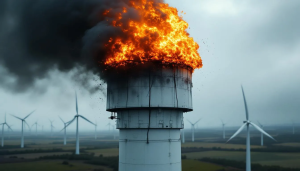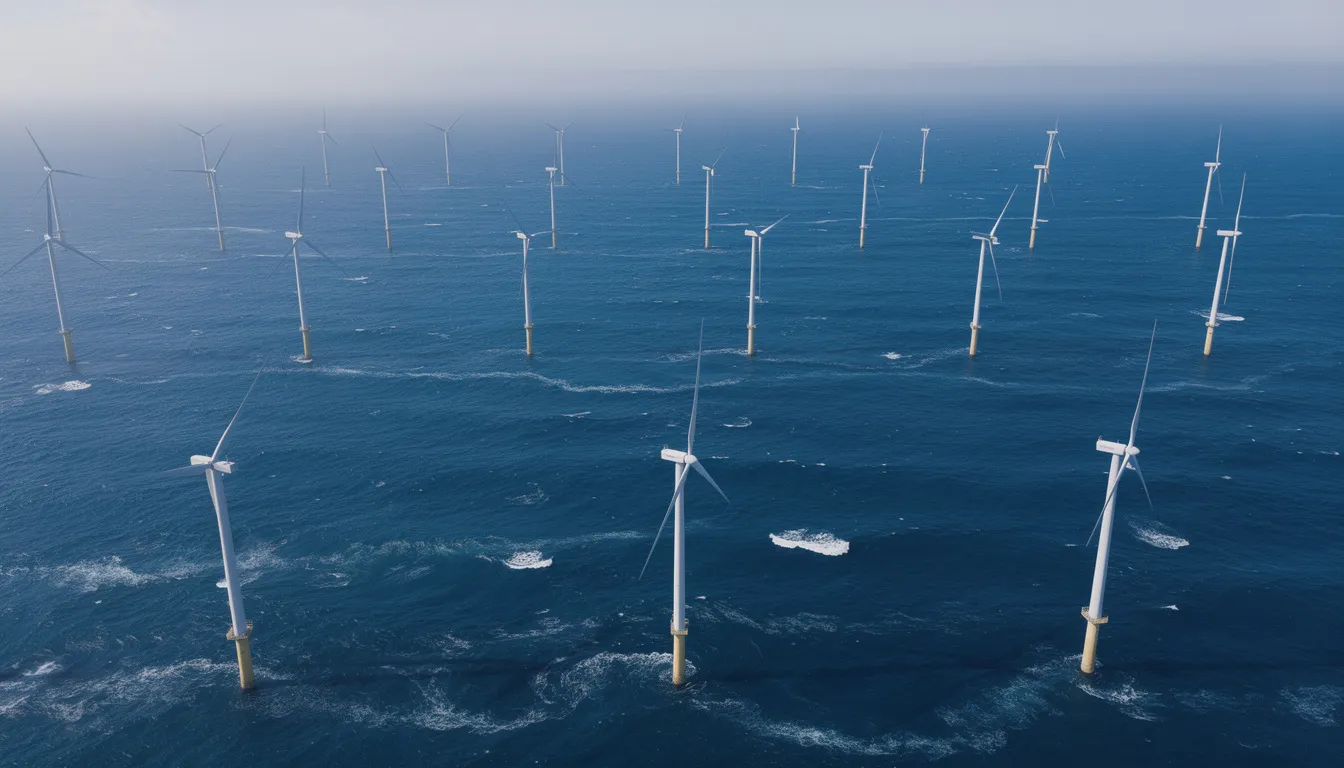
On July 13, 2024, a catastrophic blade failure at the Vineyard Wind 1 offshore wind farm sent shockwaves through the renewable energy industry and marked a pivotal moment for offshore wind energy development in the United States. This incident, involving a massive 107-meter GE Vernova Haliade-X wind turbine blade that folded back on itself and shed debris into the Atlantic Ocean, became the first major offshore wind turbine failure in U.S. waters.
The vineyard wind blade failure occurred under surprisingly calm conditions, with winds measuring only 6-13 mph—far below the extreme weather conditions these turbines are designed to withstand. This comprehensive analysis examines every aspect of the incident, from the immediate environmental impact to the regulatory response, manufacturing defects identified, and the broader implications for the offshore wind industry.
The July 13, 2024 Blade Failure Incident
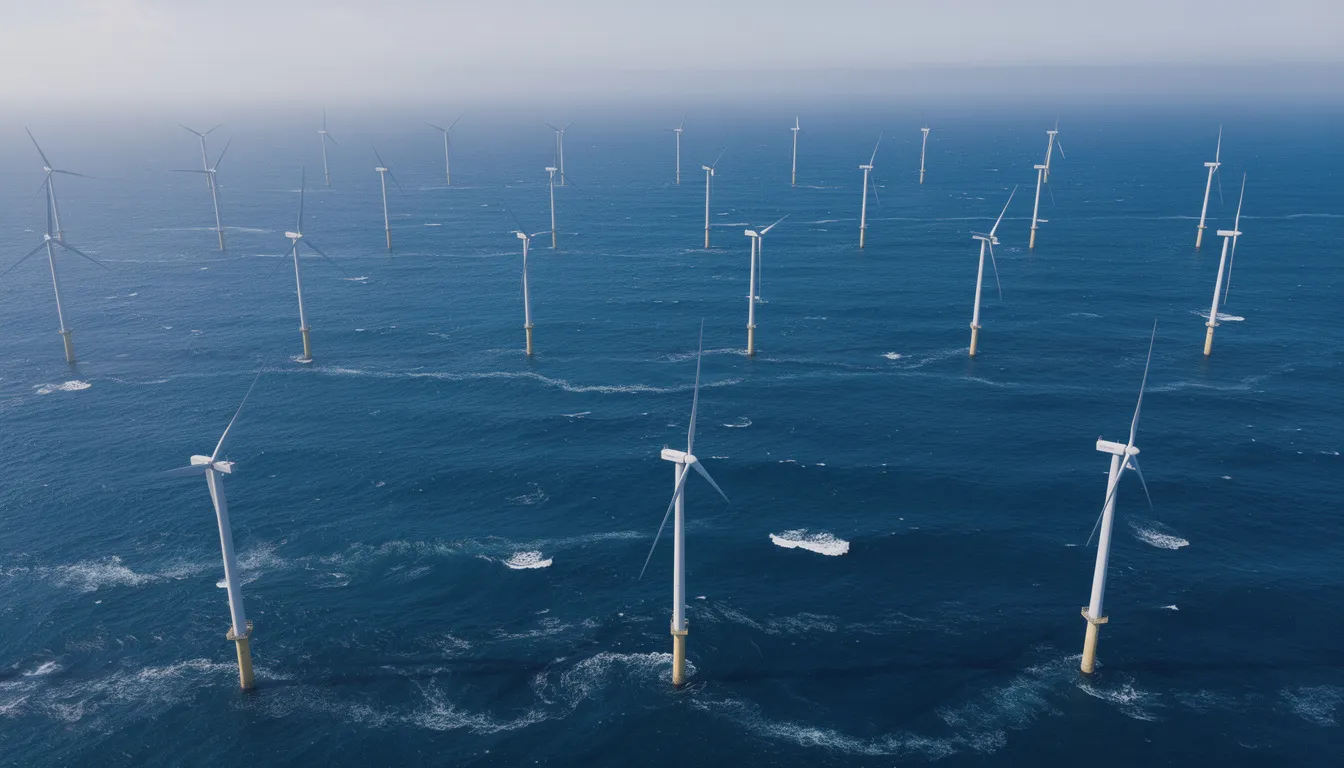
The vineyard wind turbine blade failure occurred approximately 20 miles south of Martha’s Vineyard and 35 miles off Cape Cod, positioning the incident well within Massachusetts coastal waters. The affected turbine was part of the Vineyard Wind 1 project, a collaboration between Avangrid and Copenhagen Infrastructure Partners that represents one of the most significant offshore wind projects in the United States.
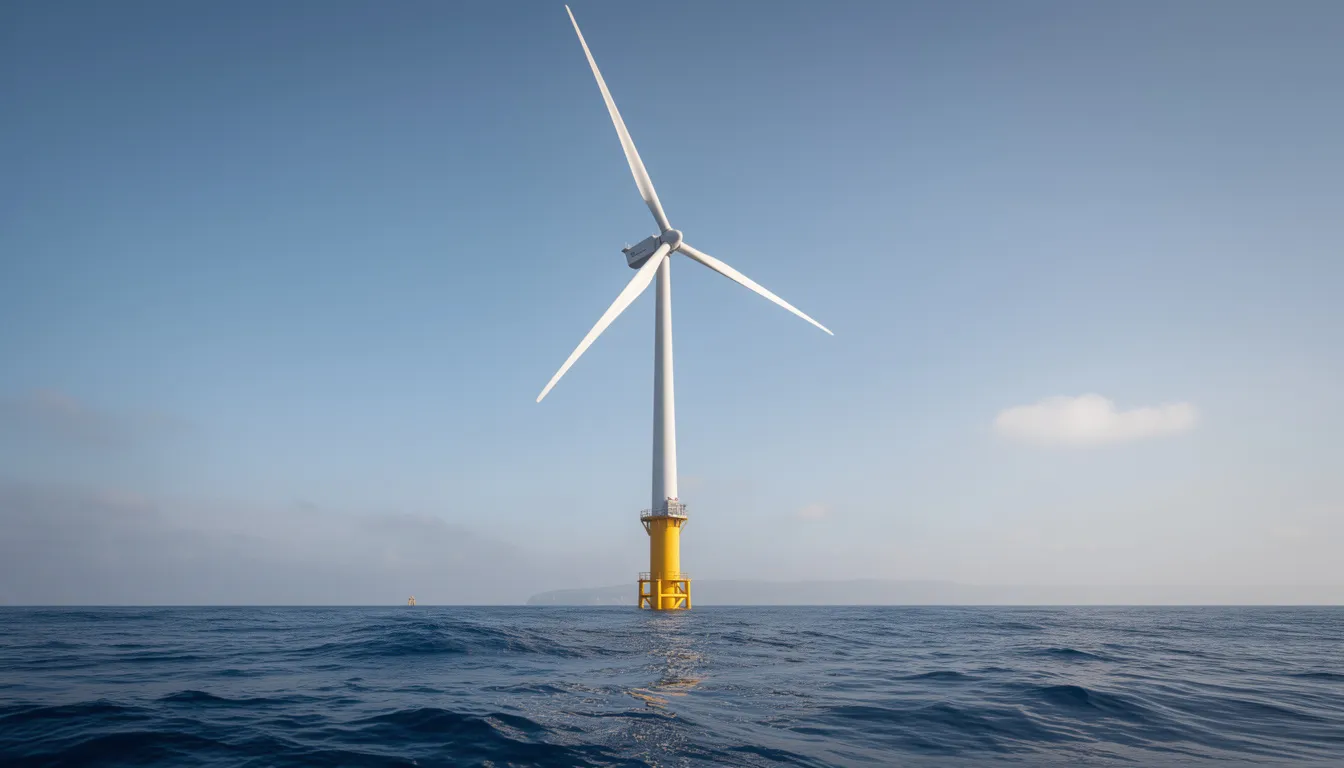
The broken blade belonged to a GE Vernova Haliade-X class offshore turbine, among the largest operating globally with rotor diameters spanning 220-248 meters. Each blade measures approximately 107 meters (351 feet) in length and weighs 55 tons, making them massive composite structures designed for 20-25 years of service life in harsh marine environments.
Weather conditions at the time were notably mild, with local measurements near Nantucket showing winds between 6 and 13 mph. This detail proved crucial to the investigation, as these turbines are certified to withstand wind speeds well over 150 mph, including hurricane-force conditions common in this region. The fact that the wind turbine blade failed under such modest loads immediately pointed investigators toward latent structural weakness rather than environmental overload.
The specific blade that failed was not among the originally installed components. During construction, an original blade had been damaged during lifting operations and removed. The failed blade was one of three newly manufactured replacement blades installed on the turbine from a fresh manufacturing batch that had already passed factory quality checks and project-level acceptance testing.
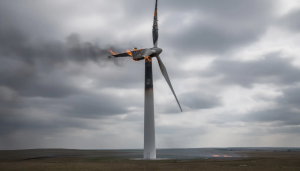
When the single blade catastrophically failed, it folded backwards toward the tower, creating a misoriented structure that no longer aligned with the nacelle and rotor systems. This geometric distortion initiated the release of fiberglass and composite debris into the ocean, beginning a chain of events that would draw intense regulatory and environmental scrutiny.
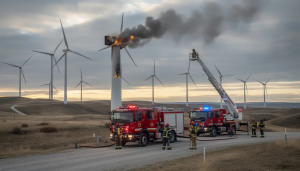
Vineyard Wind officials immediately implemented emergency response protocols, dispatching vessels to retrieve large pieces of floating debris while coordinating with federal agencies. The coast guard quickly established a 500-meter safety zone around the incident site, restricting vessel traffic and ensuring public safety while allowing emergency response operations to continue.
The first turbine affected required immediate shutdown, and as a precautionary measure, other turbines in the wind farm were also taken offline pending investigation. This response effectively halted power production from the facility, which had been generating clean electricity for the New England grid.
Environmental Impact and Debris Management
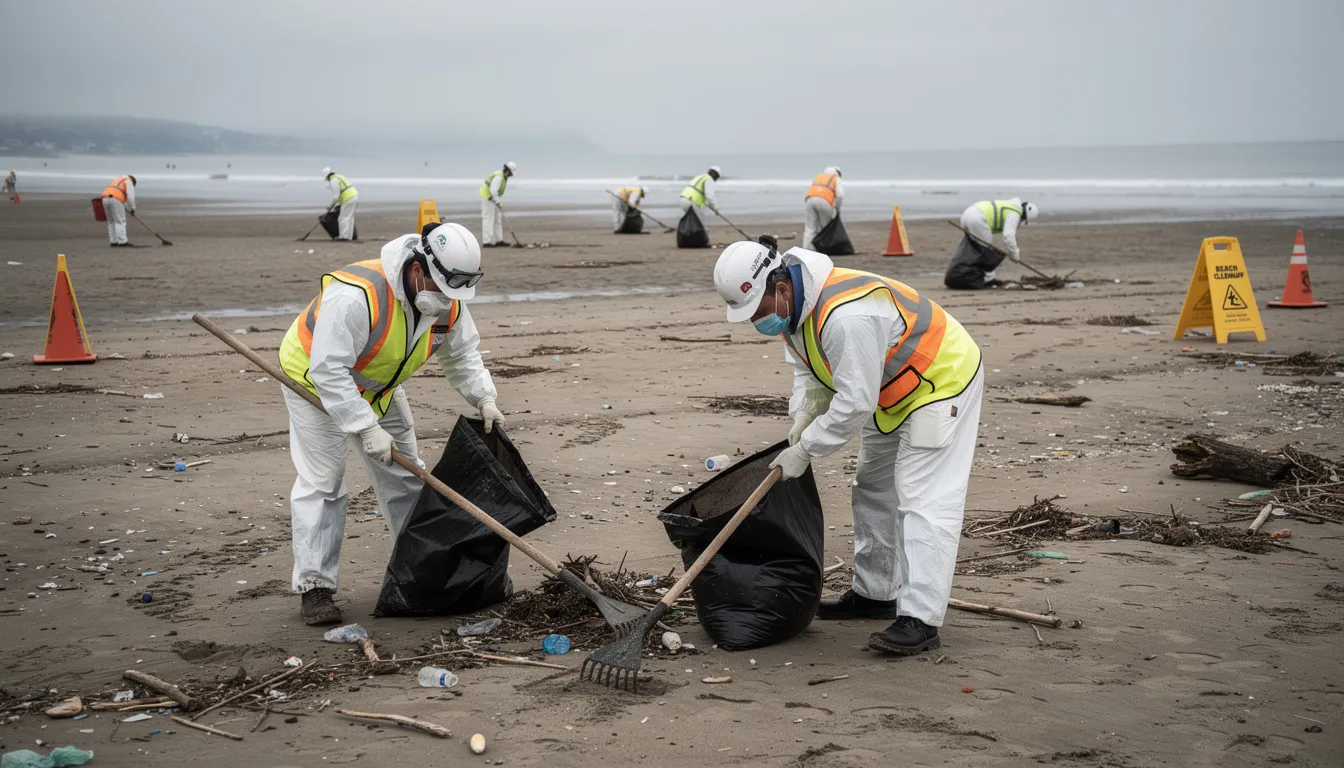
The environmental consequences of the vineyard wind blade failure became apparent within hours as thousands of fiberglass and foam debris pieces began washing up on Nantucket’s south shore beaches. The debris field extended across multiple miles of coastline, creating immediate hazards for residents, tourists, and marine wildlife.
Beach closures were implemented across affected areas due to the presence of sharp fiberglass shards that posed cutting risks to beachgoers. Large floating debris presented additional navigation hazards for recreational and commercial vessels operating in the area. The massachusetts coastline, particularly popular summer destinations, faced unprecedented challenges in managing this type of industrial debris.
Cleanup efforts mobilized quickly but proved extensive, ultimately requiring the removal of over six truckloads of debris from affected coastal areas. Workers equipped with protective gear systematically combed beaches to collect both large fragments and smaller, potentially dangerous pieces. The sharp fiberglass shards proved particularly concerning, as they could cause serious injuries to humans and animals while remaining hazardous for extended periods.
Environmental monitoring expanded beyond immediate debris collection to assess potential marine ecosystem impacts. Concerns arose about microplastic generation as fiberglass fragments weather over time, potentially entering marine food webs. While initial assessments indicated that the blade materials themselves did not contain PFAS (per- and polyfluoroalkyl substances), small aerodynamic add-ons containing PTFE were identified, though these represented only 0.00005% of total blade weight.
Marine life impacts became a focal point for local environmental groups, particularly ACK for Whales, which had previously expressed concerns about offshore wind projects affecting marine mammals. The debris incident provided tangible evidence of environmental risk that these groups used to advocate for enhanced oversight and accountability measures.
Vineyard Wind established a debris reporting hotline and online system, requesting public notification of debris sightings while advising people to avoid direct contact with fiberglass fragments. This community engagement approach helped coordinate cleanup efforts while gathering data on debris distribution patterns.
The incident highlighted the challenges of managing industrial accidents in marine environments, where debris can travel significant distances before reaching shore. Ocean currents and weather patterns complicated cleanup efforts, requiring sustained monitoring across multiple jurisdictions and coordination between state and federal agencies.
Federal Investigation and Regulatory Response
The Bureau of Safety and Environmental Enforcement (BSEE) took immediate action following the vineyard wind incident, issuing a suspension order that halted all power production and new construction activities at the facility. This represented the first-of-its-kind federal investigation into an offshore wind turbine blade failure in U.S. waters, establishing precedents for how such incidents would be handled in the future.
BSEE officials worked closely with the Bureau of Ocean Energy Management (BOEM) to coordinate the investigation process. The federal response involved multiple agencies with overlapping jurisdictions, including the Coast Guard for maritime safety, the Environmental Protection Agency for pollution concerns, and state environmental agencies representing Massachusetts interests.
The safety and environmental enforcement approach focused on several key areas: immediate hazard mitigation, root cause determination, and prevention of similar future incidents. Federal investigators conducted on-site inspections of other turbines to verify there were no obvious similar defects or imminent failure risks, while requiring detailed engineering analysis of SCADA data and load histories from the failed turbine.
Conditions for lifting the suspension order were clearly defined and stringent. Vineyard Wind had to demonstrate that other blades were not at immediate risk through comprehensive non-destructive testing, provide satisfactory root cause analysis results, and implement enhanced monitoring and inspection protocols. The company also needed to address environmental remediation requirements and establish improved emergency response capabilities.
The regulatory framework revealed gaps in oversight specific to offshore wind projects. While onshore wind installations had established incident response protocols, the marine environment presented unique challenges for debris containment, environmental protection, and emergency response coordination. Federal officials used the vineyard wind investigation to develop enhanced standards for future offshore wind projects.
The investigation process required unprecedented coordination between industry manufacturers, project developers, and multiple levels of government. GE Vernova, as the turbine manufacturer, worked directly with federal investigators while conducting their own internal root cause analysis. This collaboration became essential for understanding both the specific failure mechanism and broader industry implications.
BSEE lifted the suspension order in January 2025, but only after Vineyard Wind demonstrated compliance with all safety requirements and implemented comprehensive monitoring systems. The conditions for resumption included ongoing federal oversight, regular reporting requirements, and adherence to enhanced inspection protocols that would become industry standards.
Root Cause Analysis and Manufacturing Issues
GE Vernova’s comprehensive investigation identified the vineyard wind blade failure as stemming from insufficient bonding at their Gaspe facility, representing a manufacturing deviation that should have been caught by factory inspection and quality assurance processes. This finding shifted focus from design flaws to manufacturing quality control, providing both relief and concern for the broader industry.
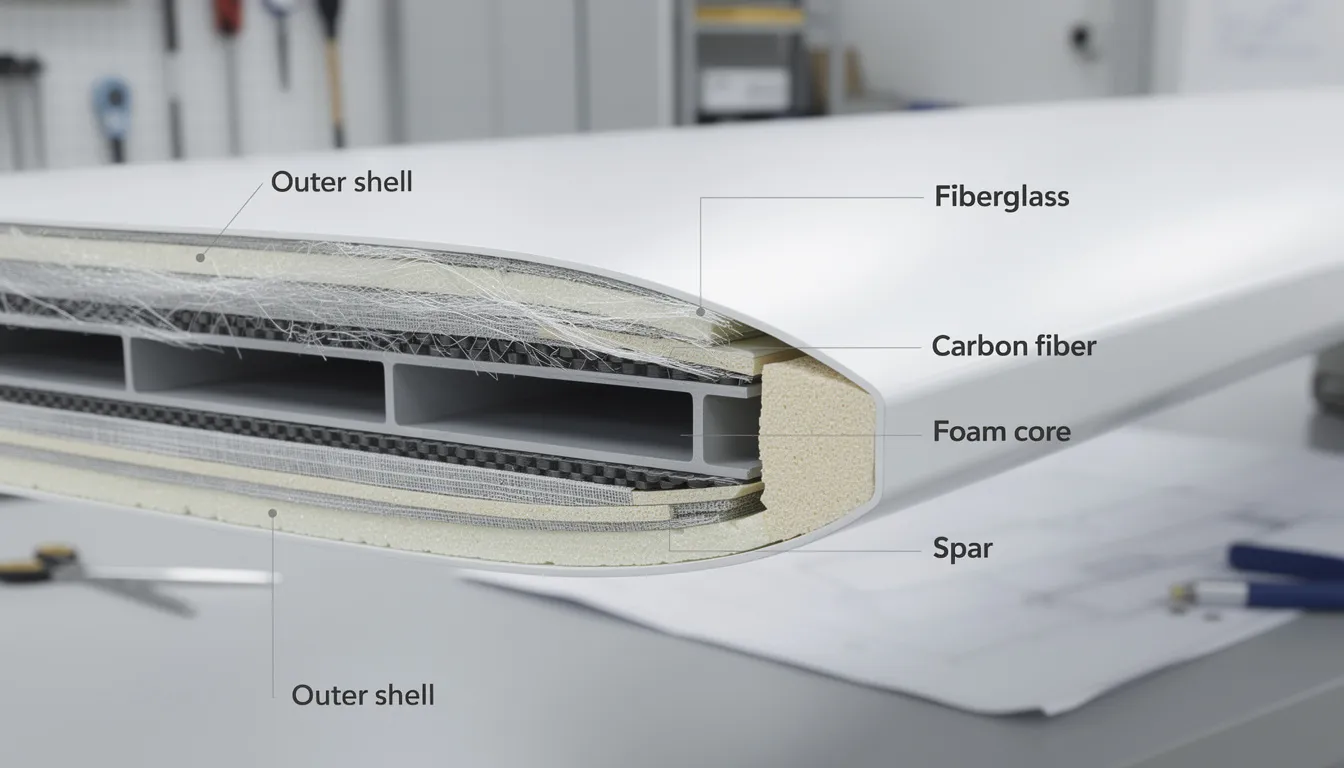
The root cause analysis revealed problems with adhesive “bond paste” application, where critical structural joints did not achieve intended strength, thickness, or continuity. Modern wind turbine blades rely heavily on adhesive bonds between major components, including fiber-reinforced polymer laminates, internal structural elements like spar caps and shear webs, and the joining of leading and trailing edge shells.
Manufacturing deviation analysis showed that the Gaspe facility had experienced recurring quality control issues affecting multiple blades beyond the single failure at vineyard wind. GE Vernova’s investigation determined that proper inspection and quality assurance processes should have identified these deviations before blades left the factory, effectively acknowledging systematic QA gaps in their production line.
LM Wind Power, GE’s blade manufacturing subsidiary responsible for the Gaspe facility, faced significant management changes following the incident. The manufacturing defects were traced to specific production runs where adhesive application procedures had not been properly followed or monitored, leading to weak zones where cracks could initiate under service loads.
Comparisons with the Dogger Bank Wind Farm incident in the North Sea revealed different failure mechanisms, with that event attributed to installation errors rather than manufacturing defects. This distinction proved important for understanding that multiple types of failures could affect large offshore wind blades, each requiring different prevention strategies.
The investigation emphasized that no fundamental engineering design flaws were found in the Haliade-X blade design itself. Instead, the focus remained on improper execution of established manufacturing procedures, suggesting that existing blade designs were fundamentally sound when properly manufactured and installed.
Technical Details of Blade Construction
Modern Haliade-X blades represent sophisticated engineering achievements, combining fiberglass, balsa wood, foam, carbon fiber, resins, and adhesives in precisely configured structures. Each blade requires approximately 2,000 labor hours to manufacture, with manual assembly steps that introduce potential for human error throughout the production process.
The manufacturing process involves multiple critical bonding procedures where structural adhesive must be applied uniformly across large surface areas. Vacuum curing processes ensure proper adhesive penetration and eliminate air bubbles that could compromise structural integrity. Temperature and humidity control during these processes directly affect bond strength and long-term durability.
Critical bonding areas include the attachment points where spar caps transfer loads into the outer shell, trailing edge seams that maintain aerodynamic shape while resisting peel stresses, and root section connections that anchor blades to the turbine hub. Manufacturing defects in any of these areas can initiate progressive failure under cyclic loading conditions.
The 55-ton weight of each blade creates substantial inertial loads during turbine operation, while aerodynamic forces generate complex stress patterns that change continuously with wind conditions. Blade designs must accommodate these dynamic loads while maintaining structural integrity over millions of fatigue cycles corresponding to 20-25 year design lifetimes.
Scale-related challenges become more pronounced as offshore wind blades increase in size and complexity. Longer blades experience higher bending moments at critical stress concentration points, making manufacturing quality increasingly important for preventing catastrophic failures like the vineyard wind incident.
Common Blade Failure Mechanisms
Manufacturing defects represent one category of potential blade failures, with insufficient adhesive bonding and “kissing bonds” (where surfaces appear bonded but lack adequate strength) being particularly dangerous because they may not be detected by routine visual inspections.
Environmental factors contribute to blade degradation over time, including turbulent wind conditions that create unexpected loading patterns, lightning strikes that can damage composite materials, and installation errors during construction that compromise structural integrity from the beginning of operational life.
Detection methods using AI and robotic inspections are being developed to improve quality assurance during manufacturing and in-service monitoring. These technologies aim to identify potential problems before they progress to catastrophic failure, representing important advances in preventing incidents like the vineyard wind blade failure.
Industry experience with land based turbines provides valuable insights, though offshore conditions present additional challenges including salt water exposure, higher wind speeds, and more difficult access for maintenance and inspection. These factors make manufacturing quality even more critical for offshore wind projects.
Financial and Legal Settlements
The financial implications of the vineyard wind blade failure extended beyond immediate repair costs to encompass broader liability and compensation issues affecting multiple stakeholders. Nantucket negotiated a $10.5 million settlement agreement with GE Vernova specifically focused on compensating local businesses for losses related to beach closures, tourism disruption, and cleanup costs.
This settlement represented unprecedented financial accountability for offshore wind incidents, establishing precedents for how future incidents would be handled from a compensation perspective. The agreement covered direct economic losses experienced by Nantucket businesses, particularly those in the tourism and hospitality sectors that rely heavily on beach access during peak summer seasons.
Vineyard Wind’s avoidance of direct liability while continuing construction activities reflected the complex legal framework governing offshore wind projects. As the project developer, Vineyard Wind maintained that manufacturer defects fell under GE Vernova’s responsibility, while regulators focused on ensuring proper response rather than assigning blame.
Insurance implications proved significant for the broader offshore wind industry, with insurers reassessing risk models and coverage terms for large blade failures. The incident highlighted gaps in environmental liability coverage for marine debris incidents, leading to enhanced insurance requirements for future projects.
Cost analysis comparing blade repairs versus replacement revealed the economic scale of such incidents. Complete blade replacement costs, including specialized marine transportation and installation, can exceed $2 million per blade, while temporary facility shutdowns create substantial revenue losses for wind energy projects.
The settlement structure included provisions for ongoing monitoring and environmental assessment, recognizing that some impacts might not become apparent until after immediate cleanup efforts were completed. This forward-looking approach addressed concerns about long-term environmental effects and established frameworks for addressing future discoveries.
Legal precedents established by the vineyard wind incident influenced contracts and liability arrangements for subsequent offshore wind projects. Developers, manufacturers, and insurers adjusted their agreements to more clearly define responsibilities for different types of failures and environmental impacts.
Industry-Wide Implications for Offshore Wind
The vineyard wind blade failure had far-reaching consequences for public trust in offshore wind as a reliable renewable energy source, particularly given the high visibility of this first major U.S. offshore wind incident. Public perception challenges arose from the dramatic nature of the failure and extensive media coverage of environmental impacts.
Political opposition leveraged the incident to favor fossil fuel alternatives, arguing that offshore wind technology was not ready for large-scale deployment. These arguments gained traction in some political circles, particularly among those already skeptical of renewable energy transitions and climate change mitigation efforts.
Delays affecting related projects including SouthCoast Wind and Revolution Wind developments reflected increased scrutiny from regulators and heightened public concern about similar incidents. Project developers faced enhanced documentation requirements and more rigorous inspection protocols that extended permitting and construction timelines.
New England grid implications became significant as planned offshore wind capacity was temporarily reduced while investigations continued. Grid operators had to adjust their renewable energy integration plans and maintain higher fossil fuel backup capacity to ensure reliability during the transition period.
The incident prompted industry-wide reviews of manufacturing quality assurance protocols, with other turbine manufacturers examining their own production processes to identify potential vulnerabilities. This self-assessment process led to enhanced industry standards and best practices for composite blade manufacturing.
International offshore wind projects faced increased scrutiny from their respective regulators, with some jurisdictions implementing enhanced inspection requirements based on lessons learned from the vineyard wind incident. The global nature of the wind energy industry meant that incidents in one region influenced practices worldwide.
Investment confidence in offshore wind projects experienced short-term volatility as financial markets processed the implications of potential failure modes and associated costs. However, long-term investment commitments generally remained strong as the industry demonstrated its ability to learn from incidents and implement improvements.
Safety Improvements and Future Prevention Measures
Enhanced quality assurance protocols demanded by federal regulators established new industry standards for manufacturing oversight and inspection procedures. These requirements included more frequent non-destructive testing during production, enhanced documentation of manufacturing processes, and improved training for quality control personnel.
Development of robust emergency response plans specific to Cape Cod and Nantucket coastal areas became a requirement for future offshore wind projects. These plans addressed debris containment, environmental protection, and community communication protocols that had been inadequately developed prior to the vineyard wind incident.
Aircraft detection lighting system implementation and other safety infrastructure upgrades reflected lessons learned about maritime safety around offshore wind installations. Enhanced lighting and radar systems improved navigation safety while better radar coverage helped track debris movement in marine environments.
Industry-wide best practices emerging from the vineyard wind incident analysis included standardized approaches to root cause investigation, improved coordination between manufacturers and project developers, and enhanced transparency in incident reporting. These practices aimed to accelerate learning from future incidents while maintaining public confidence.
Manufacturing facilities implemented enhanced process controls including automated adhesive application systems, improved environmental controls during curing processes, and enhanced worker training programs. These improvements aimed to reduce human error while improving consistency in manufacturing quality.
Regular inspection protocols for installed blades became more rigorous, with requirements for comprehensive non-destructive testing at specified intervals throughout blade lifetimes. These inspections would help identify potential problems before they progressed to catastrophic failure, providing early warning systems for maintenance needs.
Research and development efforts intensified around improved blade materials and manufacturing techniques, including investigation of more recyclable composite materials and enhanced bonding systems that would be less susceptible to manufacturing variations.
Current Status and Ongoing Developments
Vineyard Wind’s resumed power generation since January 2025 marked successful completion of the required safety improvements and regulatory compliance measures. The facility returned to operation under enhanced monitoring protocols that continue to provide valuable data on turbine performance and blade condition.
Ongoing environmental monitoring in affected coastal areas tracks long-term impacts and recovery patterns from the debris incident. This monitoring provides important baseline data for understanding environmental resilience and recovery timelines following similar incidents.
Regulatory oversight continuance ensures that lessons learned from the vineyard wind blade failure are incorporated into ongoing operations and future project approvals. Federal agencies maintain enhanced inspection capabilities and more frequent monitoring protocols for early-stage offshore wind projects.
Independent safety assessment progress includes third-party verification of manufacturing improvements and enhanced inspection protocols. These assessments provide objective evaluation of industry improvements while maintaining public confidence in offshore wind safety measures.
Future offshore wind project approvals face enhanced scrutiny measures that incorporate lessons learned from the vineyard wind incident. Project developers must demonstrate more comprehensive emergency response capabilities and enhanced manufacturing oversight before receiving operational approvals.
The incident’s influence on renewable energy policy discussions continues to shape regulatory frameworks and industry standards. While initial political opposition used the failure to question offshore wind viability, the industry’s response demonstrated its commitment to continuous improvement and safety.
Ocean energy management policies evolved to incorporate enhanced environmental protection measures and improved emergency response capabilities. These policy changes reflect increased understanding of offshore wind environmental interactions and improved preparation for managing industrial incidents in marine environments.
Research initiatives focusing on blade failure prevention and improved manufacturing techniques continue to advance industry capabilities. These efforts aim to prevent similar incidents while improving overall reliability and public confidence in offshore wind technology as a critical component of efforts to mitigate climate change.
The vineyard wind blade failure ultimately served as a catalyst for industry-wide improvements that strengthened offshore wind reliability and environmental protection. While the incident created short-term challenges, the comprehensive response demonstrated the industry’s ability to learn from failures and implement meaningful improvements that benefit future projects and environmental protection efforts.