Wind Farm Accidents: Key Facts You Need To Know
Wind farm accidents are relatively rare compared to the massive global fleet of operating wind turbines, but when they occur, the consequences can be devastating. These incidents affect workers, nearby residents, and sometimes the broader environment, ranging from single fatalities during maintenance to multi-million-dollar structural failures that destroy entire turbines.
Between 1995 and 2012, the Caithness Windfarm Information Forum catalogued over 1,600 wind turbine accidents globally, including more than 200 fires and over 100 significant blade failures. During certain years, fires alone represented approximately 10-15% of all reported catastrophic turbine incidents worldwide. Research from the International Association for Fire Safety Science suggests that these figures dramatically underestimate true incident numbers—up to 91% of wind turbine fires may go unreported because they occur in remote locations, cause limited off-site damage, or are handled internally by operators.
The spectrum of accidents is broad. Some incidents involve single workers trapped in hubs or exposed to CO2 leaks during confined-space operations. Others escalate to full structural failures—blade throw events that scatter debris hundreds of meters, tower collapses that level entire turbines, or nacelle fires that burn uncontrollably because conventional firefighting equipment cannot reach heights of 100 meters or more.
The financial toll of major accidents can reach millions of dollars when factoring in turbine replacement costs, project downtime, emergency response, and legal settlements. More critically, the Caithness Windfarm Information Forum’s dataset through late 2024 documents 243 fatalities, with 147 deaths occurring among wind industry and direct support workers and nearly 100 among members of the public or workers in related roles like transport and construction.
This article covers the causes and types of wind farm accidents, documented case examples from around the world, offshore-specific hazards, fire and explosion risks, prevention strategies, and what injured workers or affected community members should know about their legal options.
What Is a Wind Farm and How Do Turbines Operate?
Modern wind turbines convert the kinetic energy of moving air into electricity through a deceptively simple-looking mechanism that conceals considerable mechanical complexity. Understanding how these machines work helps explain why and how accidents happen.
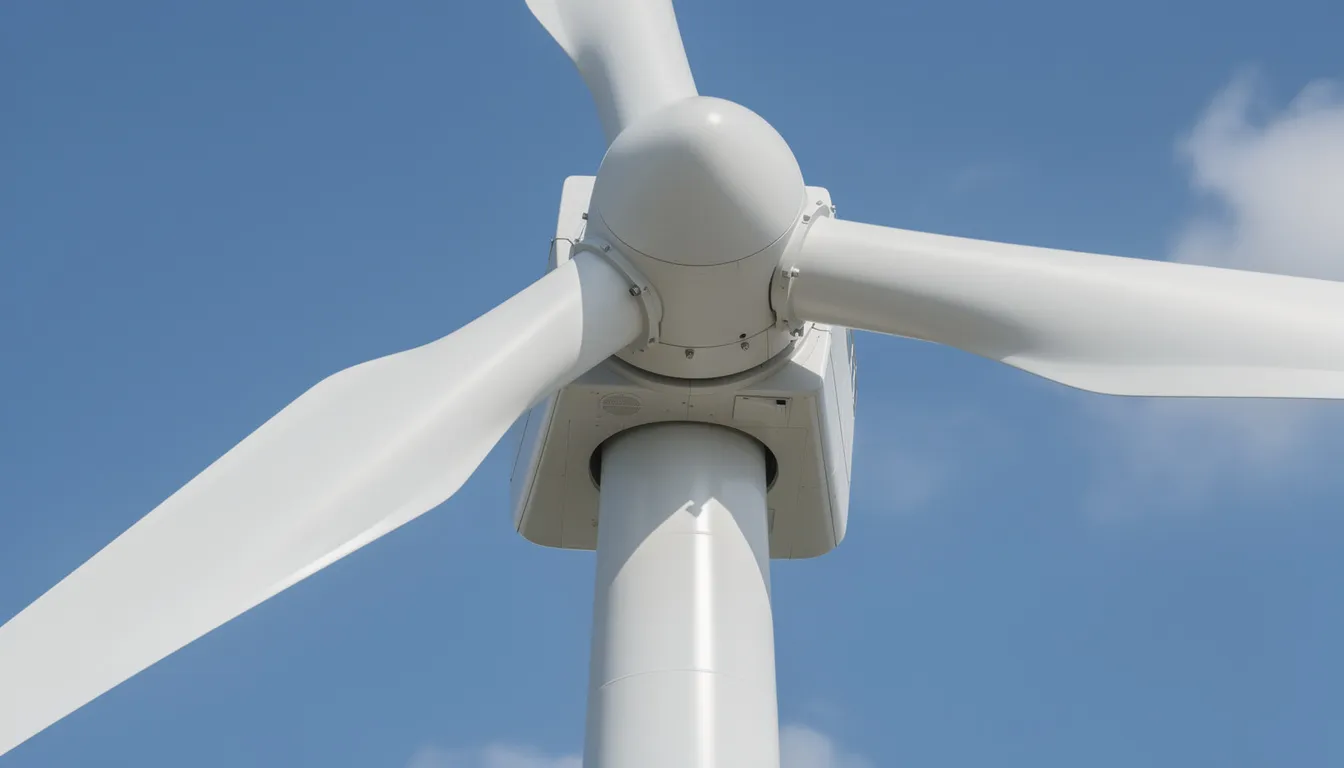
The dominant design in commercial wind energy is the horizontal-axis wind turbine (HAWT), which features a tall steel or concrete tower supporting a nacelle—the housing unit containing the gearbox, generator, control systems, and other critical equipment. Attached to the nacelle is the rotor, typically consisting of three blades connected to a central hub. When wind pushes against the blades, the rotor spins, driving either a gearbox-coupled generator or a direct-drive generator to produce electricity.
Key turbine components include: the tower (typically steel, 60-130 meters tall), foundation (reinforced concrete for onshore, monopile or jacket structures for offshore), nacelle (housing mechanical and electrical systems), rotor and blades (composite materials, often 50-80+ meters long), and electrical systems (transformers, converters, cabling connecting to the grid).
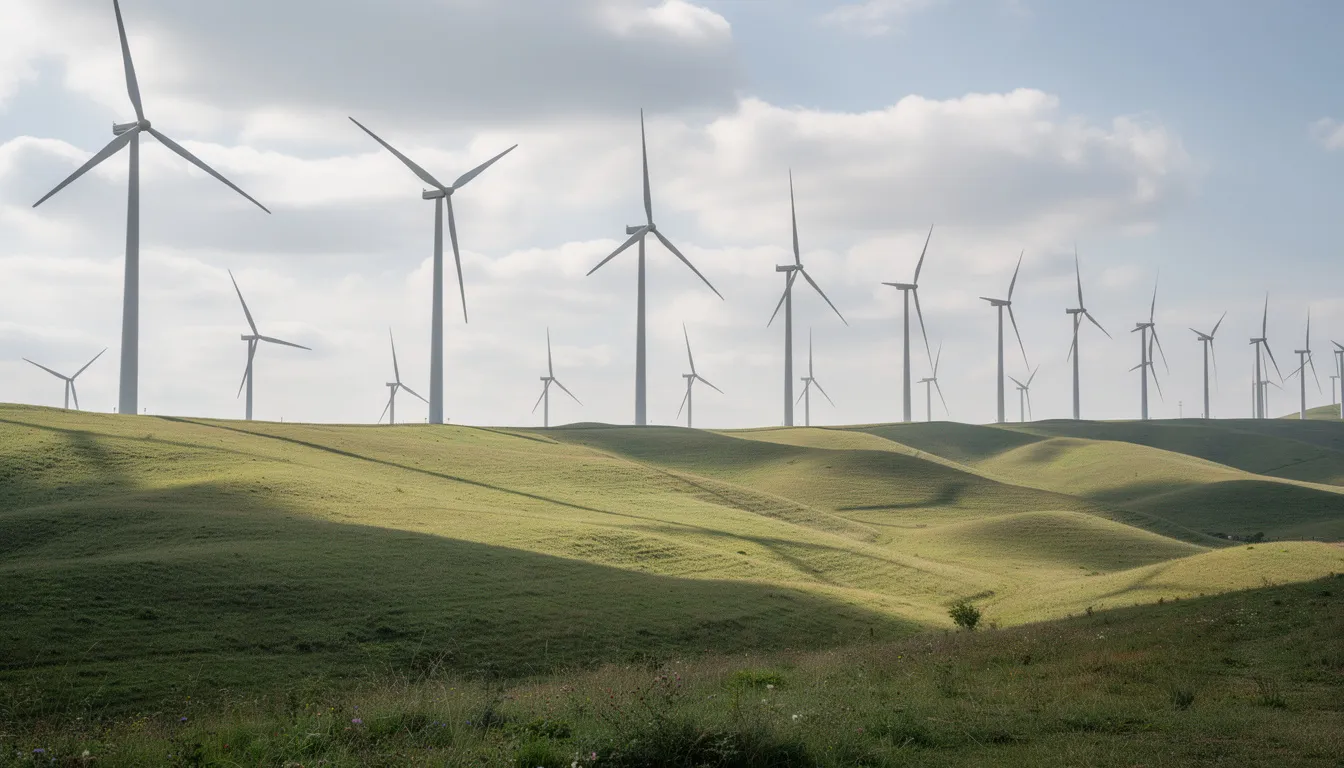
Onshore wind farms typically use turbines rated at 2-4 MW, while offshore installations increasingly deploy machines in the 8-15+ MW range with rotor diameters exceeding 200 meters. A commercial wind farm may consist of dozens to hundreds of individual turbines connected via underground or subsea cabling to a central substation, which steps up voltage for transmission to the grid.
Site infrastructure that creates additional accident exposure points includes: access roads and internal service tracks, meteorological towers, substations and switchgear buildings, offshore platforms and transition pieces, and crew transfer vessel landing areas.
The scale, height, and often remote locations of wind turbines directly influence accident characteristics. Emergency response times can stretch to hours for offshore facilities. Nacelle fires at 100+ meters are essentially impossible for ground-based fire services to extinguish. Falls from inside towers involve distances that make survival unlikely without immediate rescue. These factors shape both accident outcomes and the prevention strategies that the wind energy industry has developed.
How Common Are Wind Farm Accidents?
Quantifying the true frequency of wind turbine accidents is challenging because no single global, mandatory reporting system captures all incidents. The data that exists comes from sources like the Caithness Windfarm Information Forum, national safety boards, maritime authorities, insurance claims, and media reports—each with significant gaps.
The Caithness Windfarm Information Forum remains one of the most comprehensive compilations, having recorded hundreds of significant incidents from the early 1990s through the present. Their dataset through late 2024 includes 549 blade failure incidents, 277 structural failures, and hundreds of fires, transport accidents, and worker injuries. However, the forum itself emphasizes that its figures likely underestimate true numbers because minor incidents, near-misses, and events in remote locations frequently go undocumented.
For fires specifically, estimates suggest that in certain periods roughly 1 in every 1,700-2,000 operating turbines experienced a fire annually, based on global fleet sizes and reported fire counts. Given that the worldwide turbine fleet now exceeds 400,000 machines, even rare per-turbine rates translate to hundreds of incidents yearly. The 91% underreporting estimate for fires—calculated by comparing industry incident data with public records—suggests the actual figure could be an order of magnitude higher than what appears in media-based compilations.
It helps to distinguish between different accident categories:
|
Category |
Description |
Typical Frequency |
|---|---|---|
|
Minor incidents |
Small mechanical issues, near-misses, minor injuries |
Most common; often unreported |
|
Significant accidents |
Major component failures, fires, serious injuries |
Hundreds globally per year |
|
Catastrophic events |
Total turbine loss, multiple casualties, structural collapse |
Rare but high-consequence |
|
Third-party impacts |
Damage to public property, injuries to non-workers |
Uncommon but legally significant |
Offshore wind farms present a distinct risk profile. A 2022 dataset documented 868 total incidents involving offshore wind farms, including 325 vessel-related incidents and nearly 300 turbine-related events. Per worker-hour, offshore accident rates can exceed those of onshore projects due to marine transport hazards, crane operations on moving vessels, and the complexity of emergency evacuations. However, absolute numbers remain lower than in conventional offshore oil and gas operations, partly because the offshore wind workforce is smaller and partly because turbines operate largely unmanned.
While accident rates per turbine are statistically low, the severity of rare catastrophic failures—complete tower collapses, uncontrolled blade throw, nacelle fires raining debris across wide areas—justifies the robust safety management systems that responsible operators deploy.
Main Types of Wind Farm Accidents
Wind farm accidents typically fall into several recurring categories: mechanical and structural failures, fires and explosions, environmental hazards like ice throw, and worker-related incidents including falls, electrical shocks, and confined-space emergencies. Each category involves distinct mechanisms, consequences, and prevention challenges.
Structural failures represent some of the most dramatic accident types. Blade detachment—commonly called blade throw—occurs when structural defects, fatigue cracking, lightning damage, or manufacturing flaws cause a blade or blade segment to separate from the rotor while spinning. Debris can travel hundreds of meters depending on blade size, rotational speed, and wind direction. The Caithness database documents cases where blade fragments impacted roads, buildings, and agricultural land far from the turbine base. Tower collapse, though rarer, has occurred when design deficiencies, metal fatigue, weld failures, or extreme wind events exceeded structural capacity. Foundation failures—including scour damage to offshore monopiles and soil settlement beneath onshore foundations—can cause progressive tilting and eventual catastrophic collapse.
Mechanical failures often originate in gearboxes, yaw systems, or pitch mechanisms. Gearbox failures from bearing fatigue, lubrication problems, or contamination can generate extreme heat, potentially igniting oil and grease. Yaw system malfunctions prevent proper turbine orientation, subjecting components to asymmetric loads they weren’t designed to handle. Pitch system faults can lead to overspeed conditions where blades spin faster than design limits, causing severe vibration, component damage, and sometimes rotor disintegration.
Electrical failures include short circuits in high-voltage cabling, insulation breakdown in generators and transformers, and arc flash incidents that can cause severe burns to workers or ignite surrounding materials. Lightning strikes are a particularly common trigger—while modern turbines incorporate lightning protection systems with blade receptors and conductive grounding paths, design flaws or maintenance failures can allow lightning energy to damage electrical systems or ignite fires in nacelles.
Fire and explosion accidents merit their own detailed discussion later in this article, but fires consistently rank as the second most common catastrophic accident type after blade failures. Once a nacelle fire starts at hub height, firefighting is nearly impossible. The typical outcome is total turbine loss as the fire burns itself out, often dropping flaming debris onto surrounding land.
Environmental hazards include ice throw in cold climates, where ice accumulating on blades gets flung outward when the rotor spins or when temperatures rise. Ice chunks have damaged vehicles, building facades, and infrastructure, prompting some operators to establish seasonal exclusion zones or install ice detection systems that shut turbines down during icing conditions. Oil and hydraulic fluid leaks from nacelles can contaminate soil and groundwater, requiring cleanup that extends months beyond the initial incident. For more information about wind turbine accidents, legal guidance and compensation support are available.
The distinction between worker-only incidents and those threatening the public matters significantly for risk assessment. A technician falling inside a tower during maintenance is a workplace safety issue. Blades flying onto a public road or ice falling onto a hiking trail creates liability exposure and community concern that extends well beyond the wind farm fence line.
Offshore Wind Farm Construction, Operation, and Maintenance Hazards
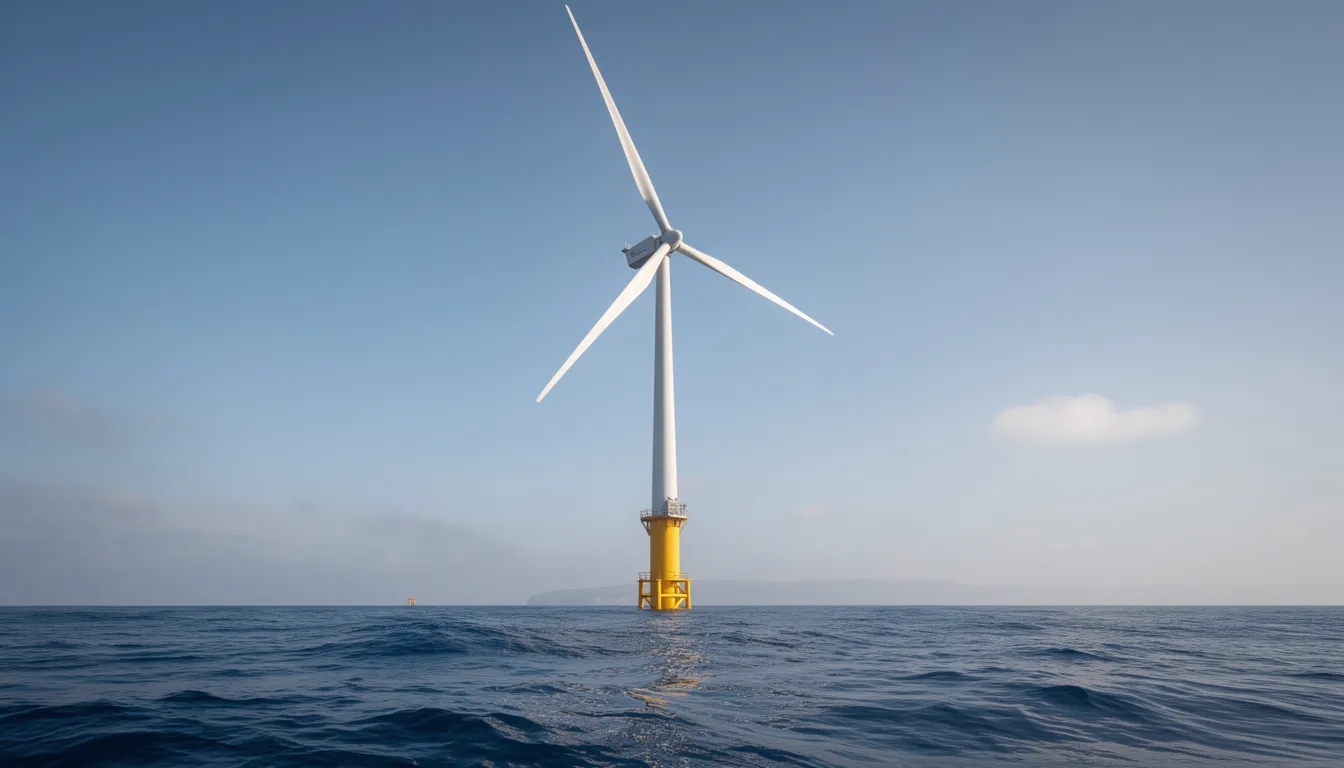
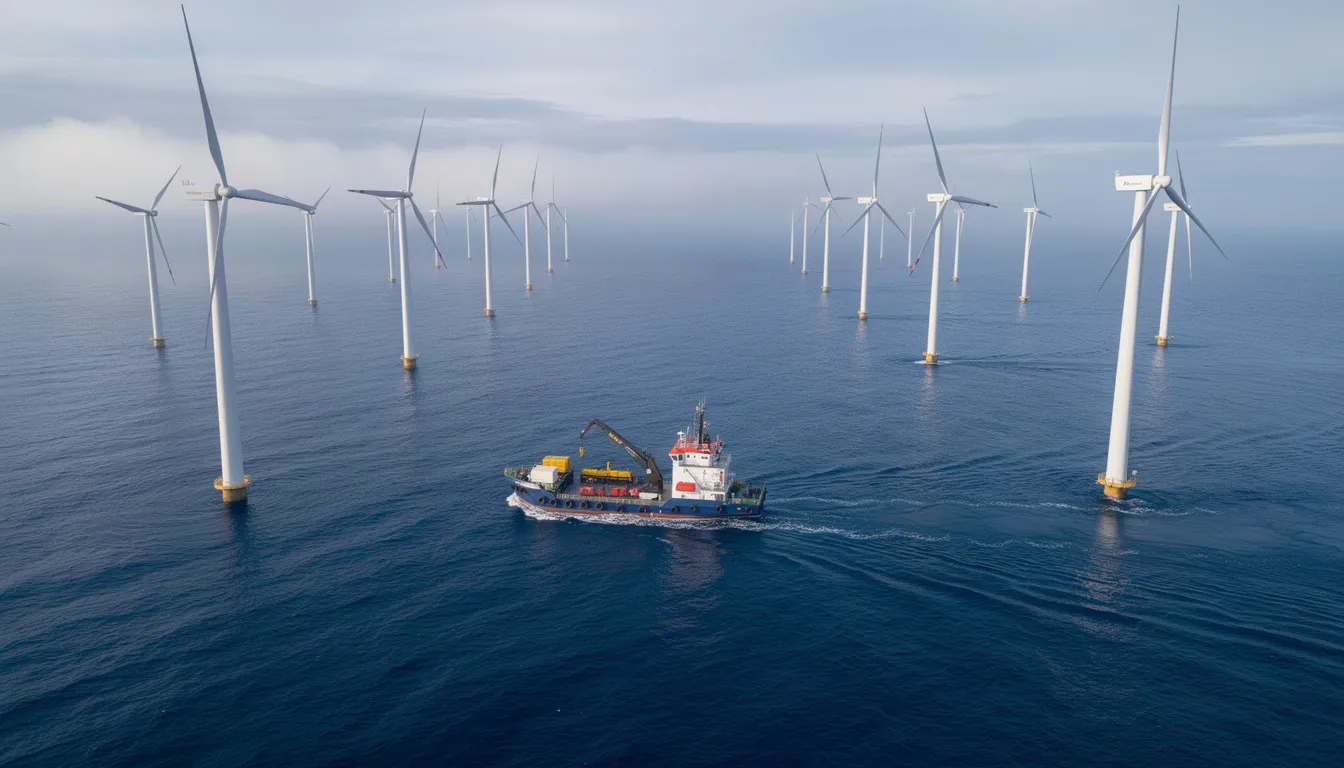
Offshore wind farms combine the risks of heavy industrial construction, marine operations, aviation logistics, and high-voltage electricity in environments where emergency response is inherently constrained. This creates a distinct accident profile compared with onshore projects.
Accidents cluster around specific project phases. During construction, foundation installation requires jack-up vessels, heavy-lift cranes, and underwater operations including diving for inspection and welding. The 2022 offshore incident dataset showed that a significant share of reported events involved vessels and lifting operations. Dropped loads, crane failures, and jack-up leg punch-through accidents—where vessel legs penetrate soft seabed unexpectedly—have all caused injuries and equipment damage. Diving operations carry risks of decompression sickness, underwater visibility problems, entanglement with cables or structures, and equipment failures at depth.
Commissioning and operation phases involve crew transfer to individual turbines for electrical work, testing, and routine maintenance. Workers typically board turbines from small crew transfer vessels (CTVs) that push their bows against turbine boat landings, allowing technicians to step onto access ladders. This transfer happens in seas with wave heights of 1.5-2.5 meters under normal conditions, but weather can deteriorate rapidly. Falls during transfer, vessel-to-turbine collisions, and man-overboard incidents represent recurring hazards.
Major component replacement—swapping generators, gearboxes, or entire blades—requires floating cranes or specialized jack-up vessels capable of heavy lifts at 100+ meter heights in marine environments. Strong winds, swell, and sudden squalls can make these operations dangerous even when initial weather windows appeared favorable. Personnel working on nacelles during such operations face risks from moving loads, dropped tools, and platform instability if vessel motion exceeds compensator limits.
Helicopter operations add aviation-specific hazards. While helicopters enable faster crew transfers and emergency medical evacuations, historical North Sea incidents have demonstrated the consequences of mechanical failures, pilot errors, and adverse weather during offshore flights. Helicopter approaches to turbine helidecks in gusty conditions near large rotating structures require exceptional skill, and hard landings or controlled flight into terrain remain possibilities.
Environmental and weather conditions compound all these hazards. Cold stress and hypothermia affect technicians working on turbines in winter conditions, particularly when rescue may take hours. Fatigue accumulates during multi-week rotations at sea, potentially degrading decision-making and reaction times. Wave heights can increase from acceptable to dangerous within an hour, stranding workers on turbines until conditions improve.
Regulatory oversight for offshore wind spans multiple authorities—maritime safety agencies, offshore energy regulators, aviation authorities, and national workplace safety bodies. Incident reporting requirements vary by jurisdiction and flag state, creating gaps in consolidated accident data even as the offshore sector expands rapidly.
Common Injury Mechanisms for Wind Farm Workers
Most wind farm accidents involve workers rather than the general public, with injuries typically stemming from falls, crushing, electrical exposure, and confined-space work. Understanding these mechanisms helps explain why certain safety protocols exist and where they sometimes fail.
Falls from height represent one of the most frequent serious injury mechanisms. Technicians regularly climb 80-100 meter vertical ladders inside tower interiors to reach nacelles for maintenance. Even with fall-arrest systems, failures happen—harness attachment points can disengage, safety climber cables can jam, and fatigue during long ascents leads to slips and missteps. Workers on external tower sections, blade surfaces, or offshore access structures face additional fall risks if handholds are slippery, platforms are icy, or high winds create balance problems.
Being struck or crushed by moving components occurs during both construction and maintenance. Blade installation involves multi-ton composite structures suspended from cranes, sometimes in challenging wind conditions. Workers below or alongside these suspended loads can be struck if rigging fails or wind gusts swing components unexpectedly. Inside nacelles and hubs, rotating machinery creates entrapment risks. The industry has documented fatal incidents where workers were caught in hub assemblies that began turning unexpectedly due to failed lockout/tagout procedures or wind gusts acting on unlocked rotors.
Electrical injuries happen in several contexts. Contact with energized conductors during work on generators, converters, or internal cabling can cause electrocution. Arc flash incidents—where electrical faults create explosive bursts of heat and light—can cause severe burns and blast injuries. Step-potential risks exist inside substations where ground faults can electrify surrounding soil, injuring personnel who step between areas of different electrical potential.
Confined-space hazards affect workers inside towers, hubs, and offshore transition pieces. Some turbine designs incorporate CO2-based fire suppression systems that can asphyxiate workers if accidentally discharged. Welding and coating work in enclosed spaces creates toxic atmosphere risks. Limited egress options mean workers trapped by injury, fire, or equipment failure may wait extended periods for rescue.
Health and ergonomic issues compound acute injury risks. Repeated long climbs—sometimes multiple 100-meter ascents in a single shift—contribute to fatigue, overexertion, and chronic musculoskeletal problems. Cramped nacelle spaces force awkward postures during tasks requiring precision, and repetitive motion injuries affect technicians performing the same maintenance sequences across dozens of turbines.
Offshore workers face additional drowning risk. Falls into the sea from turbine access ladders, vessel decks, or during helicopter operations require survival suit use and prompt rescue. Emergency evacuation drills themselves have caused injuries when workers descended too rapidly on evacuation lines or became entangled in survival equipment.
Documented Wind Farm Accident Case Examples
Real-world incidents illustrate the range of possible outcomes, from single-worker fatalities during construction to rare cases involving members of the public. The following examples draw from documented events across different countries and contexts.
Australian construction crushing incident (early 2020s): At a multi-hundred-megawatt onshore wind project in Victoria, a worker died after being pinned by a blade during installation operations. The incident occurred at a high-capacity site with turbines among the largest deployed in Australia at that time. Investigations focused on lifting procedures, crane operations, and potential failures in lockout protocols that may have allowed unexpected blade movement. The fatality prompted reviews of construction safety practices across the Australian wind energy industry.
Spanish hub entrapment fatality: Near Tarifa, Spain—a region with extensive wind development—a maintenance technician became trapped inside a turbine hub at approximately 130 meters height. Rescue efforts were complicated by the confined space, restricted access at extreme height, and the technical complexity of safely extracting an injured or incapacitated person from hub machinery. The incident highlighted the dangers of working alone in remote nacelle and hub environments without adequate rescue provisions.
East Asian offshore CO2 leak (August 2023): During construction work at an offshore wind farm site, a CO2 leak inside or near a confined turbine or transition piece environment caused one death and numerous injuries. CO2 fire suppression systems can create immediately dangerous atmospheres when discharged, and workers in the affected space were unable to evacuate before exposure. The incident underscored confined-space entry protocols and the need for atmospheric monitoring during work in enclosed offshore structures.
Japan public fatality: At a coastal wind farm in operation since 2009, strong winds caused a blade segment to detach from an operating turbine. The debris struck an elderly cyclist on a nearby path, resulting in a fatal injury. This rare but tragic event illustrated the third-party risks of blade failure and blade throw, particularly where public access areas exist close to operating turbines. The accident prompted discussions about setback distances, blade inspection frequencies, and operating protocols during high-wind conditions.
European tower collapses: Several documented cases in Germany, the Netherlands, and other countries have involved complete tower collapses—turbines folding or toppling due to structural failures. While some occurred during severe storms exceeding design parameters, others resulted from manufacturing defects, inadequate quality control, or installation errors. Fortunately, many of these events caused no injuries because exclusion zones around turbines were respected, demonstrating that physical separation remains an effective last-resort protection even when engineering controls fail.
These cases share common threads: complex industrial operations, remote or high-altitude work environments, and the severe consequences when multiple safety barriers fail simultaneously.
Environmental and Third-Party Risks from Wind Farm Accidents
While most wind farm accidents affect workers or equipment directly, some incidents extend harm to bystanders, wildlife, and the broader environment. Understanding these risks matters for community acceptance, regulatory planning, and liability management.
Third-party safety risks primarily involve blade throw and falling components. When blades or blade fragments detach from spinning rotors, they can travel significant distances before impact. Documented cases include blade pieces damaging vehicles on nearby roads, striking buildings adjacent to wind farms, and landing in agricultural fields where workers were present. The probability of any individual incident causing third-party harm is low—turbines are typically sited with setback distances from roads and residences—but the consequences when such events occur can be severe.
Aircraft collisions with wind turbines represent another third-party risk, though national safety board data show only a handful of such cases over decades of commercial wind operation. Most involve small aircraft flying at low altitude in poor visibility conditions. The statistical rarity of these events reflects both the limited overlap between typical flight patterns and turbine locations and the aviation obstruction lighting and marking requirements that wind farms must meet.
Environmental contamination from accidents includes mineral oil and hydraulic fluid releases. A nacelle fire or major mechanical failure can release hundreds of liters of lubricants that drain down the tower and into surrounding soil. Offshore, these releases enter marine environments. Cleanup efforts can extend months, requiring soil removal, groundwater monitoring, and sometimes regulatory enforcement actions. Coolant leaks and SF6 (sulfur hexafluoride) releases from electrical equipment add to potential environmental impacts.
Fire spread to vegetation is a particular concern in dry onshore locations. Nacelle fires drop burning debris—composite blade fragments, structural components, and flaming oil—onto ground cover below. News reports have documented grassland and forest fires ignited by burning turbine debris, sometimes requiring multi-agency firefighting responses far larger than the initial turbine fire. In fire-prone regions, operators increasingly incorporate fire weather considerations into operating procedures, shutting down turbines during extreme fire danger periods.
Ice throw affects both public safety and infrastructure in cold climates. Ice accumulating on blades can be shed as chunks when rotors spin or temperatures rise. These ice pieces have cracked vehicle windshields, damaged building facades, and struck pedestrians in areas near turbines. Operators in northern climates have implemented exclusion zones during icing conditions, installed ice detection systems, and adopted blade heating systems to mitigate this hazard.
Bird and bat mortality, while primarily an ongoing operational impact rather than an “accident” in the traditional sense, can spike following catastrophic turbine failures. Blade disintegration or tower collapse may temporarily increase carcass counts near a site as wildlife is struck by debris or disoriented by sudden structural changes.
The overall probability of severe off-site harm from wind farm accidents remains low, but the potential consequences—public injury, environmental contamination, wildfire ignition—warrant serious attention in site planning, operating procedures, and emergency response preparation.
Fire and Explosion Risks in Wind Turbines
Wind turbine fires are among the most destructive accident types the industry faces, often resulting in total turbine loss because firefighting at hub height is impractical or impossible with conventional equipment.
Ignition sources and pathways in wind turbines include:
-
Gearbox and generator overheating from lubrication failure, bearing seizure, or excessive mechanical friction
-
Electrical faults including short circuits, insulation breakdown, arc flash events, and converter failures
-
Lightning strikes that breach lightning protection systems and introduce energy into vulnerable electrical or structural components
-
Hot work during maintenance such as welding or grinding that ignites nearby combustible materials
The National Fire Protection Association and other safety organizations identify electrical failure as the leading cause of wind turbine fires, with lightning a major contributing factor when protection systems are inadequate or poorly maintained.
Inside nacelles, significant quantities of combustible materials are present: lubricating oils (often hundreds of liters), hydraulic fluids, and the composite resins used in blade roots and hub components. When ignition occurs in this enclosed space, fire can spread rapidly through the nacelle, engulf the rotor, and propagate down the tower interior.
Fire dynamics in wind turbines present unique challenges. Once a nacelle fire takes hold at 80-130 meters above ground, standard fire department ladder trucks and hoses cannot reach the flames. Water pressure at those heights is inadequate even if equipment could be positioned. The typical outcome is controlled burn—firefighters establish exclusion zones and allow the turbine to burn itself out over hours. Burning blade fragments and structural debris fall to the ground throughout this process, potentially igniting secondary fires in surrounding vegetation.
Estimates suggest that historically around 1 fire per 1,700-2,000 turbines occurred annually in certain datasets, with fires representing 10-30% of catastrophic turbine accidents depending on the period analyzed. Given that up to 90% of fires may go unreported—particularly those controlled quickly or occurring at remote sites—actual frequencies are likely substantially higher.
Mitigation measures deployed in modern turbines and wind farms include:
|
Strategy |
Description |
|---|---|
|
Automatic fire detection |
Smoke and heat detectors in nacelles, towers, and substations that trigger alarms and shutdowns |
|
Fire suppression systems |
Clean agent or condensed aerosol systems designed to extinguish fires without external power or water |
|
Lightning protection |
Blade receptors, conductive paths, and grounding systems designed to IEC 61400-24 standards |
|
Electrical design |
Proper cable sizing, secure terminations, thermal monitoring to prevent hot spots |
|
Operational policies |
Automatic shutdown when temperatures, vibrations, or fault indicators exceed thresholds |
|
Maintenance protocols |
Prompt attention to oil leaks, overheating warnings, and abnormal component behavior |
Newer turbine designs increasingly incorporate fire-resistant materials, segregate hot components from combustibles, and provide nacelle sealing to limit oxygen supply during early-stage fires. These measures cannot eliminate fire risk entirely, but they reduce both ignition probability and fire severity when incidents occur.
Preventing and Managing Wind Farm Accidents
Effective accident prevention in the wind industry combines rigorous engineering standards, systematic maintenance, workforce training, and emergency preparedness. Safety management systems adapted specifically for wind projects emphasize proactive risk identification rather than reactive responses to incidents after they occur.
Design and certification standards form the foundation of wind farm safety. The IEC 61400 series establishes requirements for structural design, load calculations, electrical systems, and lightning protection. Certification bodies like DNV, TÜV, and UL verify compliance before turbines enter commercial operation. Modern standards incorporate: fatigue analysis across 20+ year design lives, extreme wind event modeling including hurricane and typhoon scenarios, redundancy in critical systems like pitch control and braking, and lightning protection designed to handle frequent strikes over decades.
Scheduled inspection and maintenance programs catch developing problems before they become accidents. Blade inspections using rope access technicians or drones identify leading-edge erosion, lightning damage, and structural cracks. Gearbox oil analysis detects bearing wear particles. Tower bolt torque checks confirm structural integrity. Electrical thermography identifies hot spots in switchgear and cabling. Operators who maintain these programs consistently experience lower failure rates than those who defer maintenance to reduce costs.
Lock-out/tag-out (LOTO) procedures prevent the energization or movement of equipment while workers are in danger zones. Properly implemented LOTO protocols ensure that rotors cannot turn while technicians work in nacelles or hubs, that electrical systems are de-energized before work begins, and that personnel clearly communicate their presence and work status. Failures in LOTO discipline have contributed to multiple fatal incidents documented in industry accident databases.
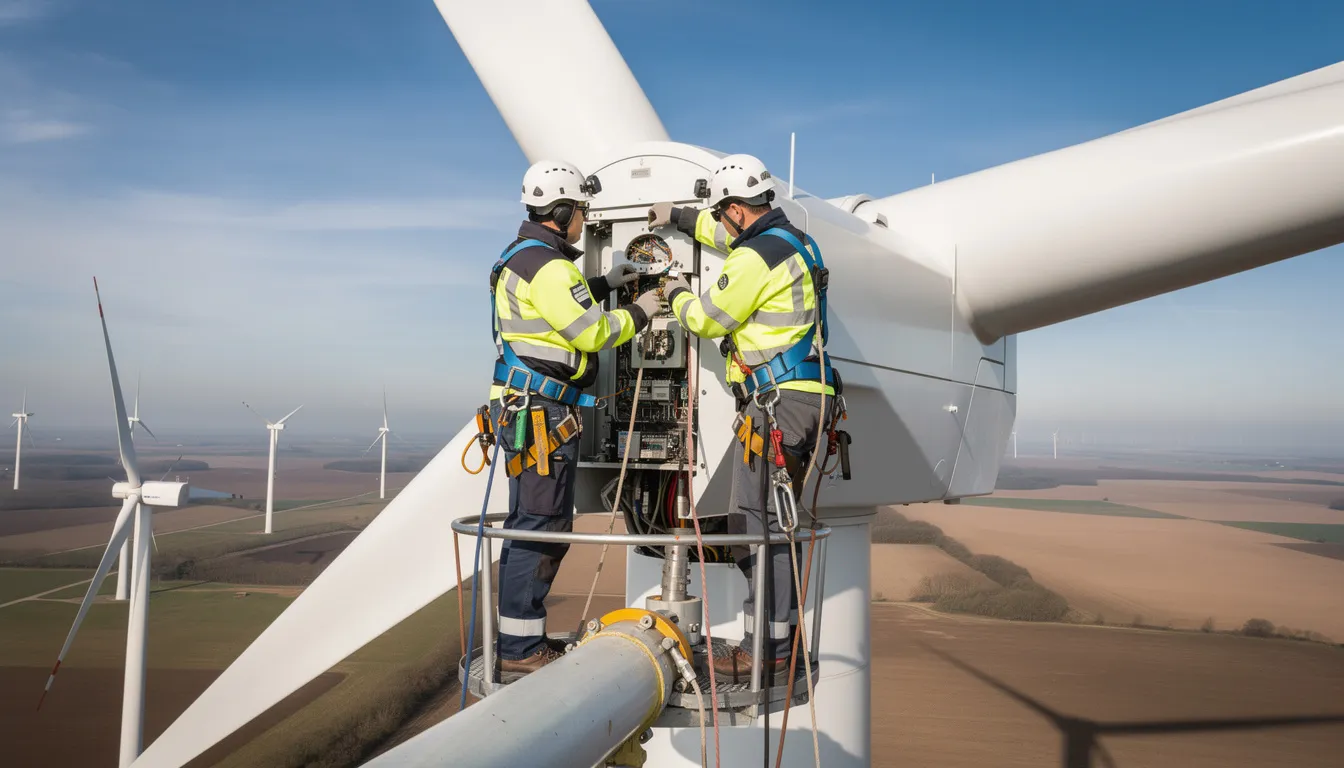
Work-at-height protocols and rescue planning address the inherent risks of 80-130 meter vertical work environments. Requirements typically include: fall-arrest systems with redundant attachment points, rescue plans and equipment for self-rescue or technician-to-technician rescue, physical fitness standards for workers who must climb repeatedly, and regular drills that test evacuation procedures in realistic conditions.
Emergency preparedness measures include site-specific response plans covering scenarios like nacelle fire, medical emergency at height, man overboard (offshore), CO2 or other gas releases, and severe weather evacuation. Coordination with local fire services, coast guards, and helicopter emergency medical services ensures external resources can integrate effectively when internal capabilities are exceeded.
Technological aids enhance both prevention and early warning:
-
Condition monitoring systems for gearboxes and bearings that detect vibration, temperature, and oil quality anomalies
-
SCADA alarms with automatic turbine shutdown when parameters exceed thresholds
-
Ice detection sensors that trigger shutdown during icing conditions
-
Pitch and yaw monitoring that identifies binding or drift before component failure
-
Fire detection tied to suppression systems that can respond without human intervention
Many jurisdictions now require environmental and decommissioning plans that address end-of-life safety. These include financial provisions for dismantling turbines safely, soil and groundwater remediation if contamination occurred during operations, and prevention of abandoned, deteriorating structures that could pose ongoing hazards.
What To Do After a Wind Farm Accident
If you’ve been injured in a wind farm accident or affected by an incident as a member of the public, understanding the immediate steps and longer-term options can help protect your health and legal rights.
For injured workers, immediate priorities include:
-
Seek medical attention for any injury, even if it seems minor initially—some conditions worsen over time or have delayed symptoms
-
Notify supervisors and ensure the incident is logged in site safety systems, including date, time, location, and circumstances
-
Preserve evidence by photographing the scene, equipment, your injuries, and any conditions that may have contributed to the accident
-
Collect witness information including names and contact details of anyone who saw what happened
-
Request copies of any incident reports, safety investigation findings, or medical documentation generated after the event
Reporting obligations vary by jurisdiction. Onshore workers in most countries must report serious injuries to workplace safety regulators within specified timeframes. Offshore workers may fall under maritime law with separate reporting requirements through flag-state authorities or marine casualty investigation boards.
For members of the public affected by wind farm accidents—whether through property damage from falling debris, vehicle damage from ice throw, or personal injury from blade fragments—the process differs:
-
Contact local authorities including police and fire services to document the incident officially
-
Document damage thoroughly with photographs, repair estimates, and dated records of all correspondence with the wind farm operator or their insurers
-
Record conditions at the time of the incident including weather, time of day, and any warnings or barriers that were or were not in place
-
Seek medical documentation for any injuries, even if initial treatment was minor
Legal pathways depend on the nature of the incident and applicable jurisdiction:
|
Situation |
Typical Legal Framework |
|---|---|
|
Onshore worker injury |
Workers’ compensation, occupational safety laws, potential third-party claims against equipment manufacturers |
|
Offshore worker injury |
Maritime law, flag-state regulations, specialized maritime injury compensation regimes |
|
Public property damage |
Negligence claims, strict liability in some jurisdictions, homeowner insurance subrogation |
|
Public personal injury |
Personal injury claims against operator, manufacturer, or maintenance contractor |
Statutes of limitations impose strict deadlines for filing claims. These can range from one to several years depending on jurisdiction, claim type, and whether government entities are involved. Missing these deadlines typically extinguishes your legal rights regardless of the underlying merits.
Given the technical complexity of wind farm accidents—involving specialized engineering, multiple potentially responsible parties, and overlapping regulatory frameworks—seeking advice from attorneys experienced in both renewable energy operations and personal injury or maritime law is often warranted for serious incidents.
Conclusion: Balancing Renewable Energy Benefits and Safety
Wind farms play an increasingly central role in decarbonizing global power systems, with installed capacity now exceeding 900 GW worldwide and continuing to grow rapidly. This expansion brings undeniable environmental benefits—avoiding millions of tons of carbon emissions annually—while also introducing operational realities that include large rotating machinery, high-voltage systems, and work environments ranging from remote onshore locations to harsh offshore marine settings.
The evidence shows that overall accident rates per turbine remain low compared with many heavy industries. The U.S. Department of Energy has characterized major turbine failures as “rare events” relative to the 40,000+ turbines operating in the United States alone. However, the severity of catastrophic failures—complete tower collapses, uncontrolled blade throw, nacelle fires raining debris over wide areas—demands that operators, manufacturers, and regulators treat safety as a non-negotiable priority rather than a secondary consideration.
Both onshore and offshore projects must continuously evolve safety practices as turbines grow larger, foundations extend into deeper waters, and operational complexity increases. The industry has already demonstrated meaningful progress: standardized training through organizations like the Global Wind Organisation, improved condition monitoring that catches problems early, and fire suppression systems designed for unmanned nacelle environments. Transparent incident reporting, open sharing of lessons learned across operators and regions, and robust regulatory oversight will be essential to maintaining this trajectory.
Looking ahead, improved technology—better blade materials resistant to erosion and lightning, advanced predictive maintenance algorithms, and next-generation fire detection and suppression—can further reduce serious accident rates. The goal is not to pretend that accidents never happen, but to build an industry culture where continuous improvement in safety is as central to wind farm operations as electricity production itself. Fortunately, the evidence suggests this balance is achievable: wind energy can deliver clean power at scale while protecting the workers who build and maintain these installations and the communities that host them.